In 2026, eggless cakes are no longer just an alternative for people with dietary restrictions. They are a mainstream choice across the United States, especially as more Americans embrace plant-based eating, manage food allergies, and experiment with flexible diets. For Indian-based readers living in the U.S. or exploring American baking trends, understanding eggless cakes is both practical and profitable. From home bakers launching micro-bakeries to families navigating egg allergies, eggless baking has become a skill worth mastering.
This comprehensive guide explains why eggless cakes work, how to bake them successfully, and which recipes deliver consistent results in American kitchens. You will learn the science behind egg substitutes, proven baking techniques, popular recipes adapted for U.S. ingredients, and creative ideas for birthdays, holidays, and small businesses. Whether you are a beginner or an experienced home baker, this article will help you bake eggless cakes that taste just as rich, moist, and satisfying as traditional versions.
Why Eggless Cakes Matter More Than Ever in 2026
Egg prices in the U.S. have fluctuated significantly over the past few years due to supply chain disruptions and avian flu outbreaks. Many households now seek reliable alternatives that do not depend on eggs. At the same time, plant-based lifestyles continue to grow, and more schools and workplaces enforce allergy-friendly food policies.
Egg allergies remain one of the most common food allergies among children in America. For parents, eggless cakes provide a safe way to celebrate birthdays and school events without risk. Additionally, veganism and vegetarianism have moved from niche communities into mainstream grocery stores, with plant-based baking ingredients widely available in chains like Walmart, Target, and Whole Foods.
For Indian-origin families in the U.S., eggless cakes also align with cultural and religious preferences. Traditionally, many Indian households prefer egg-free desserts. Now, with better access to baking tools and American ingredients, baking eggless cakes at home is easier than ever.
Understanding the Role of Eggs in Baking
To bake a successful eggless cake, you must understand what eggs actually do in a traditional recipe. Eggs contribute structure, moisture, richness, and leavening. The proteins in eggs help bind ingredients together and create a stable crumb. The fat in egg yolks adds tenderness. When whipped, eggs trap air and provide lift.
Removing eggs without replacing their function can lead to dense, dry, or crumbly cakes. That is why choosing the right substitute based on the type of cake is essential. For example, a chocolate cake requires moisture and structure, while a sponge cake relies heavily on aeration.
When you approach eggless baking scientifically rather than emotionally, your results improve dramatically. Instead of thinking about what you are removing, focus on what you are replacing.
Best Egg Substitutes for Cakes in the U.S.
Yogurt and Buttermilk Alternatives
Plain yogurt is one of the most reliable egg substitutes for cakes. In the U.S., both dairy and plant-based yogurts work well. Yogurt adds moisture and slight acidity, which reacts with baking soda to create lift. It is ideal for vanilla, chocolate, and spice cakes.
Buttermilk or plant-based milk mixed with a small amount of vinegar also works beautifully. This combination supports chemical leavening and produces a soft crumb.


Vinegar and Baking Soda
The classic combination of vinegar and baking soda creates carbon dioxide bubbles that help cakes rise. Apple cider vinegar or white distilled vinegar works well in American kitchens. This method is especially effective in chocolate cakes, where the vinegar flavor is not detectable.
Applesauce and Mashed Bananas
Unsweetened applesauce is widely available in U.S. grocery stores and provides moisture and binding. It works best in denser cakes like carrot or spice cake. Mashed bananas add flavor and are excellent for loaf-style cakes, though they may slightly alter taste.
Flaxseed and Chia Seeds
Ground flaxseed mixed with water forms a gel that mimics egg binding properties. This is popular in vegan baking. Chia seeds work similarly. These substitutes are best for hearty cakes rather than delicate sponge cakes.
Each substitute performs differently. Choosing based on texture and flavor goals is critical to success.



Proven Eggless Cake Recipes That Deliver Results
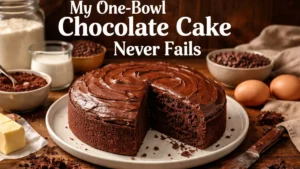
Classic Eggless Chocolate Cake
An eggless chocolate cake is the easiest starting point. Cocoa powder masks subtle flavor differences and enhances moisture retention. Combine all-purpose flour, unsweetened cocoa powder, sugar, baking soda, salt, oil, vinegar, and warm water or coffee. Bake at 350°F for 30 to 35 minutes.
This recipe works consistently because oil provides fat, vinegar activates baking soda, and cocoa contributes structure. The result is a moist, rich cake that rivals traditional recipes.
Eggless Vanilla Celebration Cake
Vanilla cakes are more sensitive to texture flaws, so technique matters. Use yogurt as the primary egg substitute. Cream sugar and oil or butter thoroughly to incorporate air. Combine flour, baking powder, baking soda, and salt separately. Add yogurt and milk gradually to avoid overmixing.
Bake at 350°F until a toothpick comes out clean. When done correctly, the crumb is soft, light, and suitable for layered birthday cakes with buttercream frosting.
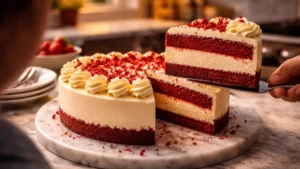
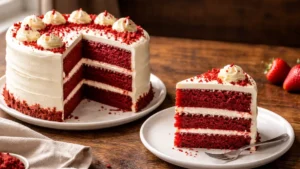
Eggless Red Velvet Cake
Red velvet relies on acidity for its signature texture. Use plant-based buttermilk and a small amount of vinegar. Combine cocoa powder, flour, sugar, oil, red food coloring, and buttermilk mixture. Bake evenly in round pans for layer cakes.
The chemical reaction between vinegar and baking soda produces a tender crumb, while oil keeps the cake moist for days.
Practical Baking Tips for Consistent Results
Temperature control is crucial. Always preheat your oven for at least 15 minutes. Use an oven thermometer if possible, as home ovens can run hotter or cooler than displayed.
Measure ingredients accurately using measuring cups designed for dry and liquid ingredients. Inconsistent flour measurement is one of the top reasons for dense cakes.
Do not overmix the batter. Overmixing develops gluten, making cakes tough. Mix only until ingredients are combined.
Allow cakes to cool fully before frosting. Eggless cakes can be slightly softer, so rushing the cooling process may cause breakage.
Finally, use quality ingredients. Fresh baking soda and baking powder ensure proper rise. Expired leavening agents often lead to flat cakes.
Health and Nutritional Benefits of Eggless Cakes
Eggless cakes can be lighter in cholesterol when plant-based substitutes are used. For individuals managing cholesterol levels, reducing egg consumption may align with medical guidance.
Plant-based eggless cakes also appeal to those following vegan or vegetarian diets. Additionally, some egg substitutes like flaxseed add fiber and omega-3 fatty acids, increasing nutritional value.
However, it is important to remain realistic. Eggless does not automatically mean low-calorie or healthy. Sugar and fat content still determine overall nutritional impact. Moderation remains key.
Business Opportunities with Eggless Baking in America
In 2026, small home-based bakeries continue to grow across the U.S., especially through social media marketing and local pickup orders. Eggless cakes are in demand for school events, religious celebrations, and vegan communities.
Indian-origin bakers in states like New Jersey, California, and Texas have successfully built niche businesses offering customized eggless cakes for birthdays and weddings. The key advantage is differentiation. Many traditional bakeries still rely heavily on eggs, so offering high-quality eggless alternatives creates a competitive edge.
If you plan to start small, focus on perfecting two or three signature flavors before expanding your menu. Consistency builds trust and repeat customers.
Creative Ideas for Special Occasions
Eggless cakes are ideal for multicultural events. You can design fusion flavors like cardamom vanilla, pistachio rose, or chocolate chai for American audiences curious about global flavors.
For children’s parties, use vibrant frostings and allergy-safe labels. For corporate events, offer elegant eggless cupcakes with minimal decoration.
During holidays such as Thanksgiving and Christmas, eggless pumpkin spice or gingerbread cakes perform well. Seasonal adaptation keeps your offerings relevant and fresh.
Common Mistakes and How to Avoid Them
Many beginners assume any egg substitute works in any recipe. This is incorrect. Dense cakes require different substitutes than airy cakes.
Another common mistake is reducing sugar too drastically. Sugar contributes not only sweetness but also moisture and structure. Altering it without adjusting liquids can change texture.
Finally, impatience ruins many cakes. Always test doneness properly and let the cake rest before slicing.
Conclusion: Mastering Eggless Cakes in 2026
Eggless cakes have evolved from a niche necessity into a mainstream baking choice in the United States. For Indian-based readers, they offer cultural alignment, business potential, and dietary flexibility. Understanding the science behind egg substitutes ensures consistent results. Choosing the right ingredients, measuring accurately, and respecting baking fundamentals transform simple recipes into bakery-quality creations.
As you begin or refine your eggless baking journey, start with a reliable chocolate or vanilla recipe. Practice technique, experiment with substitutes thoughtfully, and focus on texture as much as flavor. Whether you bake for family, health reasons, or business growth, eggless cakes provide endless opportunities. With the right approach, you can create desserts that are inclusive, delicious, and professionally impressive.
FAQs
What is the best egg substitute for cakes?
Yogurt works best for most cakes because it adds moisture, structure, and lift without changing flavor significantly.
Do eggless cakes taste different?
When made correctly, eggless cakes taste nearly identical to regular cakes, especially in chocolate or flavored varieties.
Why did my eggless cake turn dense?
Dense texture usually happens due to overmixing, expired baking soda, or using the wrong egg substitute for the recipe.
Can eggless cakes be as fluffy as regular cakes?
Yes, proper use of baking soda, vinegar, and correct mixing techniques can create light and fluffy eggless cakes.