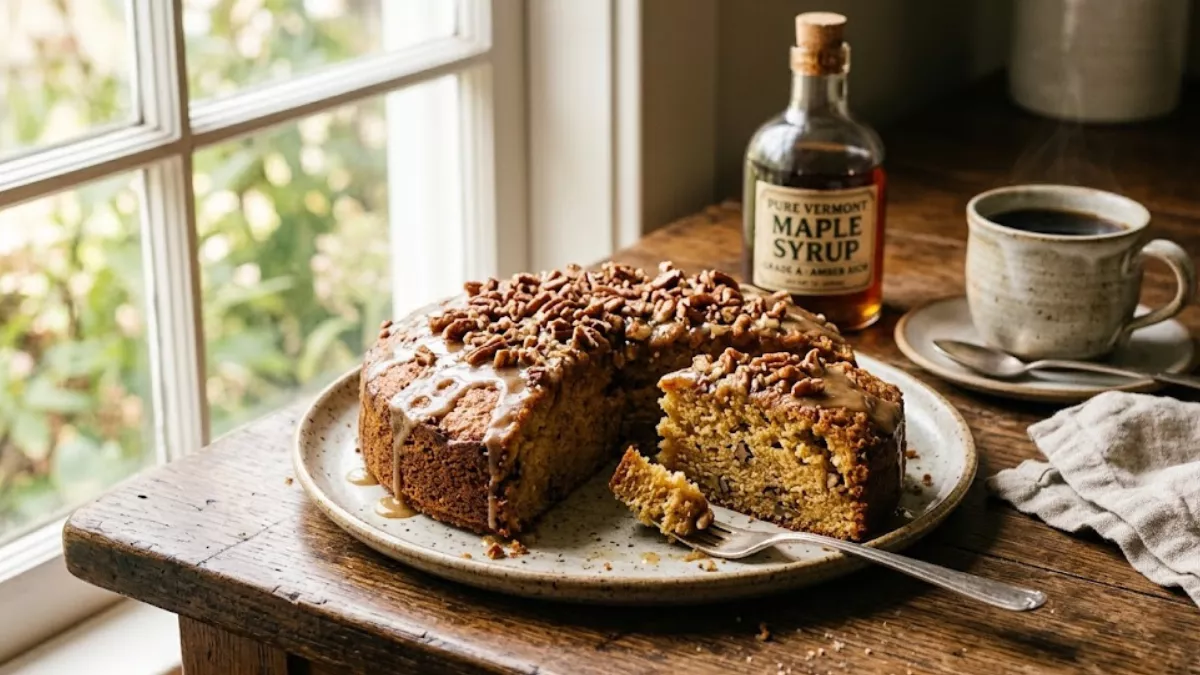
There is something deeply comforting about a simple cake baking in the oven on a quiet weekend morning. For many of us, the aroma that fills the kitchen is a promise of something warm, sweet, and honest. If you have ever found yourself staring at a bottle of maple syrup in your pantry, wondering if it could be used for more than just pancakes, you are in the right place.
A homemade maple cake is exactly that kind of straightforward, reliable dessert. It is not overly complicated or covered in layers of fondant. Instead, it relies on the deep, natural sweetness of maple to create a tender crumb and a rich flavor that tastes like autumn, no matter the season.
In this guide, we will walk through how to make a truly great maple cake. Whether you are baking for a family gathering in Vermont, a cozy afternoon in London, or a weekend treat in Sydney, these practical tips will help you get it right every time. We will focus on the ingredients that matter, the techniques that ensure a moist texture, and how to avoid common pitfalls.
Why Real Maple Syrup Makes All the Difference
One of the biggest mistakes bakers make when preparing a maple cake is relying on artificial maple flavoring or pancake syrup. These products are often high in high-fructose corn syrup and contain very little, if any, real maple. The result is a cake that tastes sugary but lacks the complex, woody notes that make maple so special.
The reason real maple syrup is essential lies in its composition. Pure maple syrup contains natural minerals like zinc and manganese, and its sugar content behaves differently in baking than processed syrups. When you use the real thing, you are adding a depth of flavor that cannot be replicated artificially.
For a practical solution, look for Grade A Dark Color syrup. While the lighter grade is excellent for pancakes, the darker variety has a more robust flavor that stands up well to the other ingredients in a cake. It ensures that the maple taste isn’t lost behind the butter and eggs.
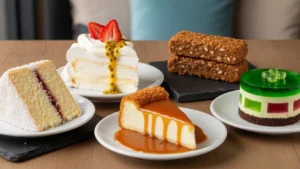
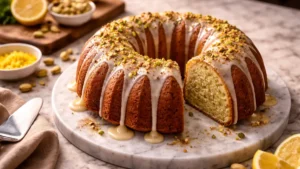
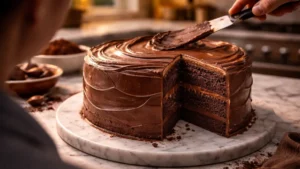
A real-life example of this is a baker in New England who once told me she judges a maple cake by its color. If the cake is pale white, it likely lacks real maple. A proper cake should have a warm, golden-brown hue from the syrup itself. That visual cue is your first sign of authenticity.
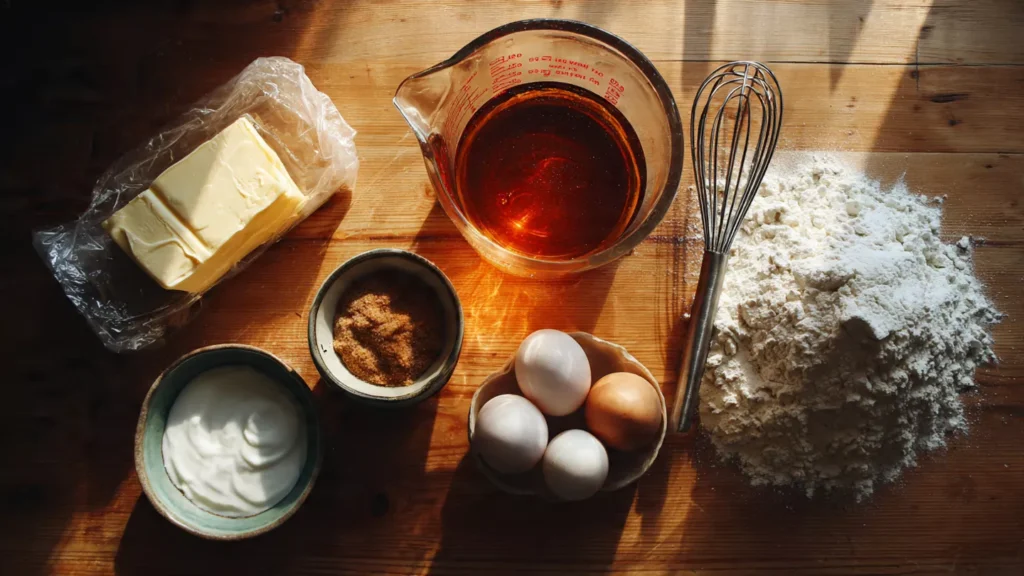
The Role of Butter and Texture
A dry cake is a disappointment, especially when you are looking for a simple sweet treat. The texture of a homemade maple cake should be dense enough to feel substantial but moist enough to melt in your mouth. Achieving this balance starts with the fat you choose.
Butter is the preferred fat here, rather than oil. While oil produces a very moist cake, butter brings a crucial flavor component that complements maple beautifully. The problem many bakers face is over-creaming the butter and sugar, which can lead to a cake that rises too quickly and then collapses, becoming tough.
The insight here is about temperature. For a practical solution, ensure your butter is truly at room temperature—not cold, but not melted. Cold butter will not cream properly, resulting in a dense, flat cake. Melted butter will cause the batter to be too thin, leading to a greasy crumb. When the butter and sugar are creamed until they are light and fluffy, you trap air bubbles that expand in the oven, giving you a tender lift.
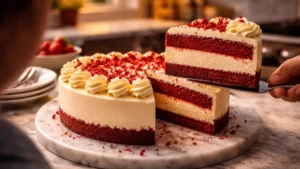
In many American kitchens, the “paddle attachment” on a stand mixer is the standard tool for this job. If you are mixing by hand, aim for about three minutes of vigorous stirring. This simple step is often the difference between a cake that is light and one that feels like a brick.
Balancing Sweetness Without Overpowering
Maple syrup is sweet, but it is also a liquid. This presents a unique challenge when converting a standard cake recipe. If you simply replace all the sugar with maple syrup without adjusting the other liquids, you risk ending up with a batter that is too runny and a cake that is overly sweet and sticky.
The reason this happens is chemistry. Sugar in baking provides structure, tenderness, and moisture, but liquid sugars (like maple syrup) add more water content than granulated sugar. To solve this, a good maple cake recipe balances the liquid sweetener with a small amount of granulated or brown sugar. This maintains the structural integrity of the cake while allowing the maple flavor to be the star.
A practical solution is to use a recipe that calls for about three-quarters of a cup of maple syrup and a half-cup of brown sugar. Brown sugar, which contains molasses, actually enhances the maple flavor, creating a deeper, more caramel-like taste. This combination prevents the cake from being cloyingly sweet.
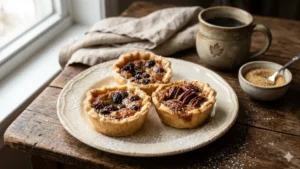
Consider a typical coffee shop in the Pacific Northwest. The best maple cakes they serve are never syrupy; instead, they have a subtle, lingering sweetness that makes you want another bite. That balance comes from respecting the maple syrup as a flavoring agent, not just a sweetener.
The Importance of the Right Pan
It might seem like a minor detail, but the pan you choose has a direct impact on how your homemade maple cake turns out. A dark, non-stick pan will cause the edges of the cake to brown and cook much faster than the center, leading to a burnt crust and a raw middle.
The insight here is about heat conduction. Glass and light-colored aluminum pans are the best choices for even baking. They allow the heat to distribute slowly and evenly, giving the cake time to rise properly before the outside sets.
For a practical solution, if you are using a loaf pan to make a classic maple loaf cake, line it with parchment paper. This not only ensures the cake releases easily but also protects the sides from over-browning. If you are making a layer cake, butter and flour the pans thoroughly, tapping out the excess flour to prevent sticking.
A real-life example is common in bakeries across the Midwest, where maple cakes are a staple. Bakers there often use metal pans with a light finish and wrap the outside of the pan with a “baking strip”—a wet fabric strip that keeps the edges cool. This ensures the top rises flat and the texture is uniform from edge to center.
A Real-Life Approach: The Vermont Weekend Baker
To understand the heart of a simple sweet treat, let’s look at a typical scenario in the Northeastern United States, where maple syrup is a cultural treasure. Imagine a home baker in Vermont who makes this cake every Sunday during sugaring season. She doesn’t use a complex recipe or professional equipment.
Her problem is often time. She wants a cake that comes together quickly without sacrificing quality. Her insight is that a simple “one-bowl” method works best. She melts the butter, mixes it with the maple syrup and eggs, then folds in the dry ingredients just until combined. Over-mixing is her biggest caution.
Her practical solution is to treat the batter gently. She knows that if she stirs too aggressively after adding the flour, gluten develops, and the cake becomes chewy. By mixing just until the streaks of flour disappear, she preserves a tender crumb. Her result is a cake that is rustic, deeply flavored, and perfect for sharing with neighbors.
This approach is a reminder that a homemade maple cake does not require professional pastry skills. It requires patience and an understanding of a few key techniques. When you simplify the process, you allow the quality of the ingredients—especially the maple—to shine.
How to Store and Serve for Best Results
A maple cake tastes its absolute best on the second day. However, improper storage can dry it out quickly. The problem many people face is leaving the cake uncovered on the counter, which causes the moisture to evaporate, leaving it stale by morning.
The reason for this is that cakes, especially those made with syrup, act like sponges. They release moisture into the air if left exposed. The practical solution is to store the cake in an airtight container at room temperature. If the cake has a glaze, it is best to add the glaze just before serving to keep the crust from becoming soggy.
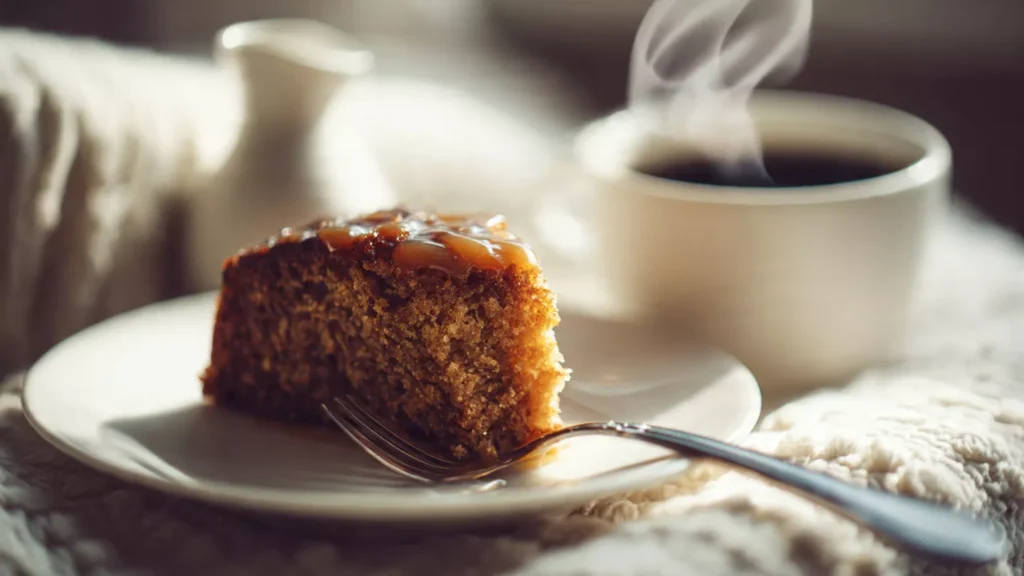
When it comes to serving, maple cake pairs wonderfully with simple accompaniments. In the United States, it is often served with a drizzle of maple glaze—simply powdered sugar and maple syrup—or a dollop of lightly sweetened whipped cream. In the UK and Australia, it is just as common to see it served with a cup of strong tea or coffee, allowing the sweetness of the cake to contrast with the bitterness of the brew.
If you have leftovers, this cake freezes remarkably well. Wrap individual slices in plastic wrap and then foil. When you are ready to enjoy, let it thaw at room temperature. This is a practical solution for those who want to bake once and enjoy a sweet treat throughout the week without the worry of it going bad.
Conclusion
Baking a homemade maple cake is about more than just satisfying a sweet tooth. It is about connecting with a simple, time-honored tradition of using quality ingredients to create something comforting. By choosing real maple syrup, understanding the role of butter, balancing your sugars, and using the right pan, you set yourself up for success.
Remember that the best cakes come from a place of patience and care. Whether you are baking for a holiday gathering or simply to enjoy with your morning coffee, these practical steps ensure your cake will be moist, flavorful, and authentically maple. There is a quiet satisfaction in pulling a golden loaf out of the oven, knowing you created something genuine.
FAQs
Can I use pancake syrup instead of maple syrup?
Yes, you can, but the flavor will be significantly different. Pancake syrup is primarily corn syrup and artificial flavoring, which results in a much sweeter, less complex taste. For an authentic maple flavor, pure maple syrup is highly recommended.
Why did my maple cake turn out dense and heavy?
A dense cake is often the result of over-mixing the batter after adding the flour. When you mix too vigorously, you develop gluten, which makes the cake tough. Try mixing just until the ingredients are combined. Also, ensure your baking powder or soda is fresh.
How should I store leftover maple cake?
Store the cake in an airtight container at room temperature for up to three days. If you have a glazed cake, it is best to add the glaze just before serving to prevent the cake from becoming soggy. You can also freeze slices for up to three months.
Can I add nuts or other mix-ins to this cake?
Absolutely. Chopped pecans or walnuts are a classic addition that pair wonderfully with maple. Fold them into the batter at the very end. To prevent the nuts from sinking to the bottom, toss them in a little flour before adding them to the batter.