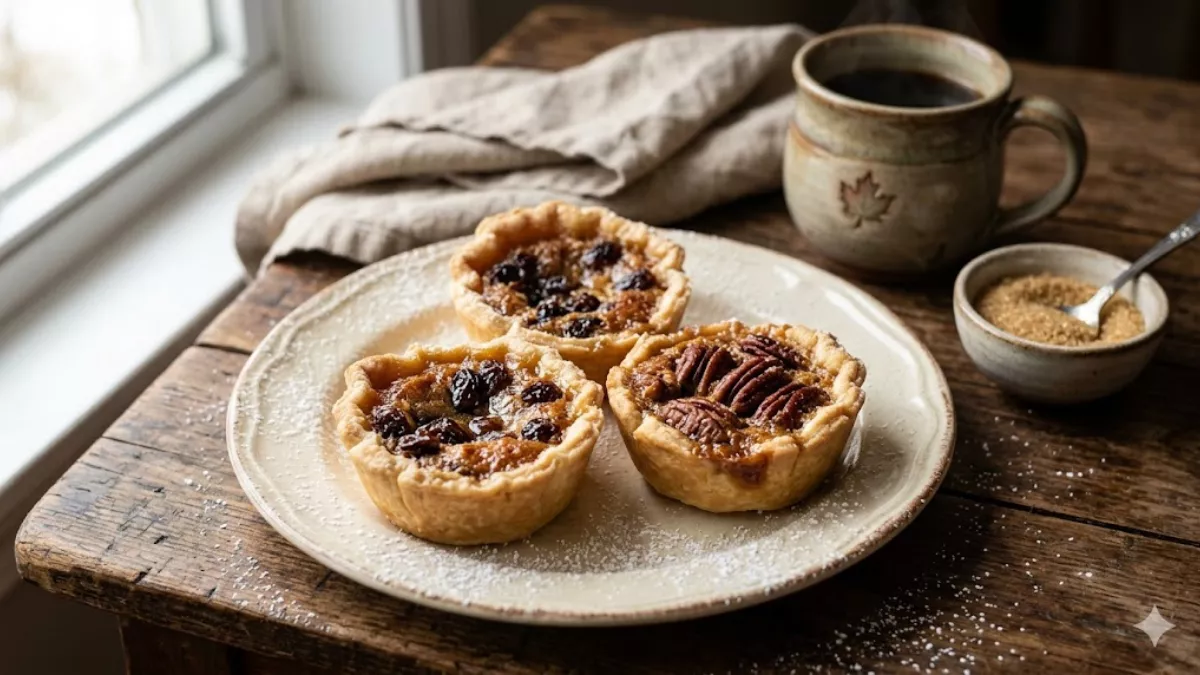
It starts with a simple craving. You are scrolling through social media or watching a cooking show, and you see it: a glistening, golden pastry shell cradling a rich, buttery filling with a signature crackled top. For many Americans, the butter tart is that intriguing Canadian neighbor you have heard about but never truly met. You might assume it is just a smaller pecan pie without the nuts, but to leave it at that would be missing the point entirely.
If you have ever attempted to bake a new recipe only to end up with a soupy mess or a filling that resembles hard candy, you know the frustration. The butter tart, while simple in concept, is deceptively tricky to master. This article is designed to be your trusted guide. We will walk through the history, the regional debates, and the practical techniques to ensure your first (or fiftieth) batch turns out bakery-perfect. Whether you are a home baker in Texas looking for a new holiday staple or a curious foodie in California wanting to understand what all the fuss is about, you will walk away with the confidence to bring this iconic Canadian treat into your own kitchen.
What Exactly Is a Butter Tart?
The problem for most Americans is categorization. When we see a tart with a gooey center, our brain defaults to “pecan pie.” But the butter tart stands distinctly on its own. It is a small, hand-held pastry shell filled with a creamy mixture of butter, sugar, eggs, and corn syrup or maple syrup.
The reason this distinction matters is texture. Unlike a pecan pie, which often sets into a firm, jelly-like consistency, a butter tart is defined by its “runny” center. A true butter tart should be firm enough to hold its shape but soft enough to ooze slightly when you bite into it. This specific texture is the holy grail for bakers.
The practical solution to understanding this treat is to view it as the intersection of a French pastry shell and a British treacle tart. It combines the flakiness of a good pie crust with the caramelized depth of a sugar-based filling. For a US-based example, think of the best pecan pie you have ever had, but imagine the filling without the nuts, allowing the flavor of butter and brown sugar to take center stage, often with a splash of vinegar to cut the sweetness. That is the butter tart.
The Great Raisin Versus Walnut Debate
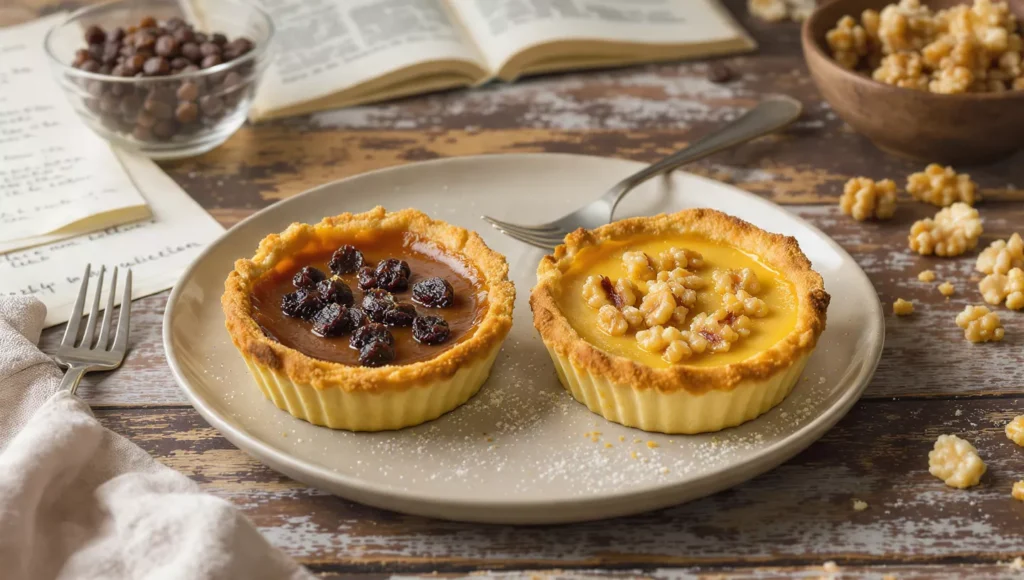
If you mention butter tarts to a Canadian, you will likely ignite a friendly but fierce debate. The problem for someone new to this dessert is knowing which version to make. The traditional recipe usually calls for raisins, but many modern bakers swear by walnuts or pecans. Some purists insist on “plain”—no additions at all, just pure filling.
The reason this debate exists is rooted in regional history and resource availability. Early Canadian settlers used ingredients they had on hand. Raisins, being a dried fruit that traveled well, became the standard in Eastern Ontario and Quebec. As you moved west, walnuts became more common, adding a nutty crunch that contrasts beautifully with the soft filling.
The practical advice here is simple: do not stress over the “right” way. Instead, consider your audience. If you are baking for a holiday gathering in the US, a mix of both often pleases everyone. You can even split your batch. Fill half with a sprinkle of toasted pecans (which are easier to find in the US) and half with plump raisins soaked in warm water. This small step ensures you are not alienating anyone at the table. It is a practical example of how accommodating this humble dessert can be—it is less about strict tradition and more about delivering a delicious, buttery experience.
Achieving the Perfect Pastry Texture
One of the biggest hurdles in making butter tarts is the pastry. A soggy bottom is the enemy of a good tart. You can have the most perfect filling in the world, but if the crust is soft and doughy, the structural integrity of the tart fails, and the eating experience becomes messy.
The insight here is that butter tarts require a sturdier shell than a typical fruit pie. Because the filling is wet and bakes at a relatively high temperature, the pastry must be able to withstand that moisture without becoming saturated. Many home bakers in the US are accustomed to all-butter pie crusts, which are fantastic for flavor but can be finicky with wet fillings.
The practical solution is to use a combination of butter and shortening in your pastry dough. Shortening has a higher melting point and creates a more water-resistant barrier. Alternatively, you can use a “tart dough” (pâte sablée) which includes an egg yolk for extra richness and strength. A real-life example: a baker in New York switching from their grandmother’s all-butter pie recipe to a 50/50 butter-shortening blend for butter tarts found that the shells emerged from the oven golden, crisp, and perfectly intact, even with the ooey-gooey filling inside. Blind baking (pre-baking the crust before adding the filling) for five minutes is also a non-negotiable step to ensure the base is set before the liquid filling is added.
The Science of the Runny Center
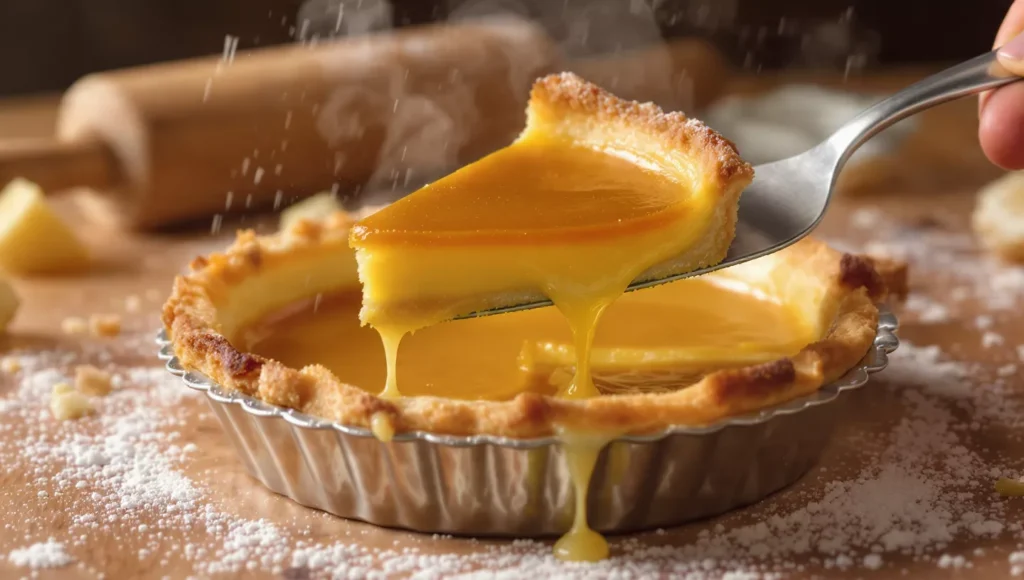
The hallmark of a great butter tart is the filling. But achieving that specific texture—set edges with a soft, almost liquid center—is a technical challenge. The problem most bakers face is ending up with either a curdled, scrambled-egg texture or a rock-hard sugar brick.
The reason for this lies in the delicate balance of eggs, sugar, and temperature. Butter tart filling is a custard. Eggs coagulate at around 160°F (71°C). Sugar, however, caramelizes and hardens at higher temperatures. If you over-bake the tarts, the eggs will curdle, and the sugar will seize up, leaving you with a grainy, hard result. If you under-bake, you get a soupy mess that collapses when you remove the liner.
The practical solution is to watch for the “wobble.” Remove the tarts from the oven when the edges are set and puffed up, but the center still jiggles slightly when you gently shake the pan. This residual heat will continue to cook the center to the perfect soft-set consistency as they cool. For a US-based baker used to making cheesecake, this is the same principle. Trust the wobble. Additionally, using a combination of brown sugar (for moisture and depth) and corn syrup (for stability) mimics the texture of classic American pecan pie filling, creating a familiar yet distinctively Canadian result.

Maple Syrup vs. Corn Syrup: The Ingredient Crossroads
Since we are targeting a primarily US audience, the ingredient availability question comes up often. Many classic Canadian butter tart recipes call for corn syrup. However, there is a common misconception that Canadians always use maple syrup. The problem arises when a US baker substitutes maple syrup entirely and ends up with a thin, overly sweet, or burnt result.
The insight is that corn syrup (specifically golden corn syrup, like the famous British Lyle’s Golden Syrup or its North American counterparts) is prized for its neutral flavor and ability to prevent sugar crystallization. Maple syrup has a lower water content and a distinct, strong flavor that can overpower the delicate butter notes if used exclusively.
The practical solution is to use a blend. For a truly authentic Canadian flavor that is still approachable to US palates, try a 50/50 mix of corn syrup and pure maple syrup. This gives you the structural integrity of corn syrup with the subtle, woody sweetness of maple. A real-life example: a food blogger in Oregon trying to replicate a butter tart they had in Toronto found that using a blend allowed them to achieve that signature amber color and complex flavor profile without the tart becoming cloyingly sweet or losing its shape.
How to Store and Serve for Maximum Impact
You have put in the work, and now you have a dozen perfect butter tarts sitting on your counter. The problem now is longevity and presentation. Butter tarts are best enjoyed at a specific temperature, and improper storage can ruin their signature texture.
The reason butter tarts change texture so drastically is due to the sugar content. When refrigerated, the sugar in the filling will recrystallize, turning a perfectly gooey tart into a gritty, hard one. Similarly, leaving them out uncovered in a warm kitchen can cause the pastry to soften and the filling to weep.
The practical solution is to store them in an airtight container at room temperature for up to three days. Place a piece of wax paper between layers to prevent sticking. To serve, if you prefer a softer center, warm them in a low oven (250°F) for 5 to 8 minutes. For a US-based example, think of how you would treat a fresh donut or a high-quality brownie—you want to protect the texture. If you must freeze them, freeze them unbaked. Assemble the tarts in the tin, freeze until solid, then transfer to a freezer bag. You can bake them directly from frozen, adding about 5 to 10 minutes to the bake time. This method ensures that when you are ready to serve, the texture remains as fresh as the day you made them.
Conclusion
The butter tart is more than just a dessert; it is a symbol of simple, honest baking that prioritizes texture and flavor over complicated techniques. While it may have a reputation as a Canadian secret, the truth is that it is incredibly accessible to any home baker willing to pay attention to a few key details. By understanding the importance of a sturdy crust, respecting the “wobble” for the perfect gooey center, and navigating the raisin versus nut debate to suit your taste, you are no longer just a spectator of this culinary tradition—you are a participant.
Whether you are bringing these to a summer barbecue in Austin or a winter holiday party in Boston, the butter tart offers a unique talking point and a genuinely delightful eating experience. It is a treat that relies on quality ingredients and a little bit of patience. So, preheat your oven, roll out that dough, and get ready to enjoy a taste of Canada that feels right at home in your kitchen.
FAQs
Why are my butter tarts runny even after baking?
If your butter tarts are too runny after cooling, they were likely under-baked. The filling needs to reach a temperature where the eggs set. Next time, bake until the edges are puffed and the center has a slight jiggle, not a liquid slosh. Letting them cool completely in the pan also allows the structure to firm up.
Do authentic butter tarts have raisins or nuts?
Authenticity is a matter of personal preference and region. Traditionally, raisins are considered the classic addition, particularly in Eastern Canada. However, walnuts, pecans, or leaving them “plain” are equally traditional. There is no single correct answer, so choose what you prefer.
Can I use maple syrup instead of corn syrup?
Yes, but be cautious. Substituting 100% maple syrup will change the texture, making the filling thinner and more prone to boiling over. For best results, use a blend of half corn syrup (for stability) and half maple syrup (for flavor) to get the best of both worlds.
What is the secret to a non-soggy crust?
Blind baking is essential. Pre-bake your empty tart shells for about 5–7 minutes before adding the filling. This sets the bottom crust so it can better resist the moisture from the buttery filling. Using a combination of butter and shortening in your pastry dough also helps create a flakier, more resilient shell.