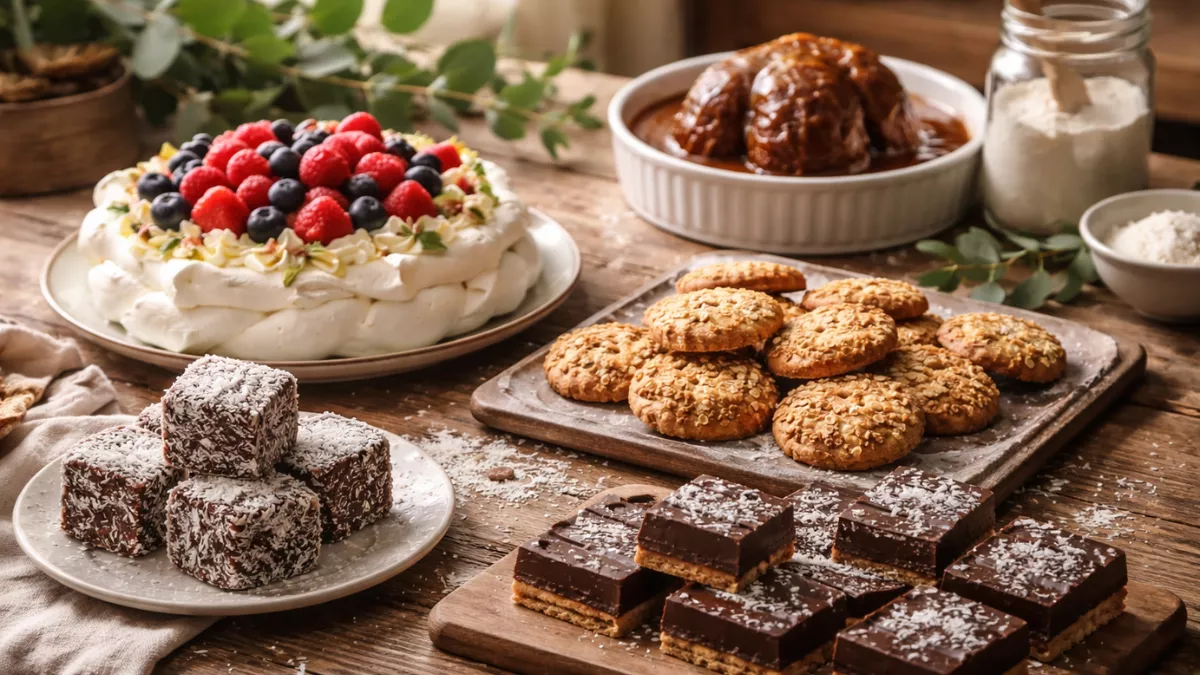
There is a quiet comfort in knowing you can pull together a dessert that feels special without spending hours in the kitchen. Perhaps you have tried the usual American classics—apple pie, chocolate chip cookies, brownies—and you are looking for something just a little different, yet still familiar enough to feel confident baking on a Tuesday evening. Australian home baking offers exactly that: a collection of desserts that are wonderfully straightforward, built on pantry staples, and designed to be shared.
The beauty of these recipes lies in their practicality. Australian baking culture, much like the country itself, values simplicity and a relaxed approach. You will not find complicated techniques or hard-to-source ingredients here. Instead, you will discover treats that have been passed down through generations, each one offering a reliable path to something genuinely delicious. Whether you are baking for a weekend gathering, a school bake sale, or simply to satisfy a midweek craving, these five desserts are a perfect place to start.
1. Pavlova: A Crisp Meringue Base with a Soft Heart
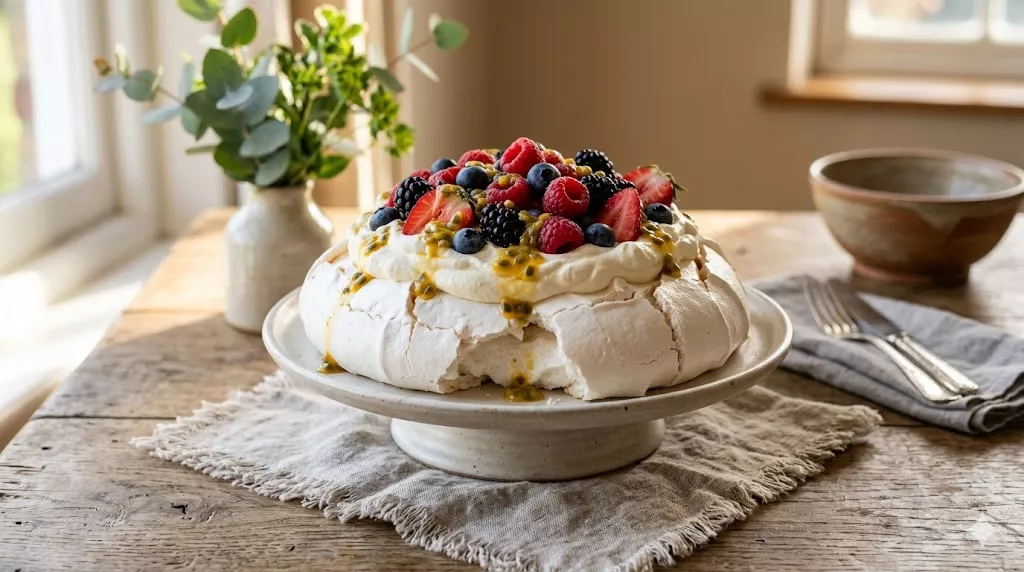
One of the biggest concerns home bakers face when attempting meringue is the fear of failure. You worry about the egg whites not whipping properly, the sugar feeling grainy, or the dessert collapsing the moment you take it out of the oven. This is the exact problem that the Pavlova solves with a forgiving, straightforward method.
The reason Pavlova is such a beloved dessert is that it embraces a slight imperfection. Unlike a French meringue that demands bone-dry crispness, a Pavlova is meant to have a marshmallow-like center. It is a dessert that teaches you to trust the process. The crisp outer shell gives way to a soft, almost chewy interior, creating a texture that is deeply satisfying.
The practical solution is to focus on a few key steps. Use room-temperature egg whites for maximum volume, and add a teaspoon of cornstarch and a teaspoon of white vinegar to the sugar mixture. This stabilizes the meringue and guarantees that signature soft center. Bake it low and slow, then simply turn off the oven and let it cool inside to prevent cracking.
A real-life example from a home baker in Portland, Oregon, highlights its reliability. She was tasked with bringing a dessert to a Fourth of July gathering and wanted something that felt summery but not expected. She made a Pavlova the night before, topped it with fresh berries and whipped cream in the morning, and arrived to a dish that was both visually stunning and effortless to transport. The meringue held its shape perfectly, and guests were impressed by a dessert they had only seen on cooking shows.
2. Lamingtons: Sponge Cake Dipped in Chocolate and Coconut
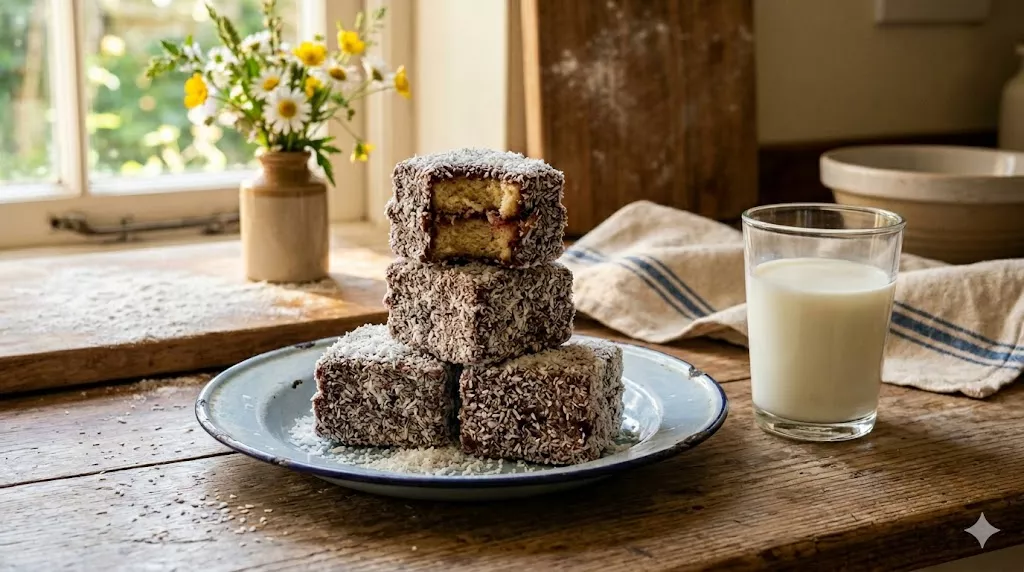
There is a common frustration when making layered or frosted cakes: the process can feel messy, time-consuming, and stressful. You worry about the cake sticking to the pan, the frosting being too runny, or the final presentation looking less than polished. Lamingtons elegantly bypass all of these anxieties.
The insight behind Lamingtons is that they transform a simple vanilla sponge into something extraordinary through a clever, forgiving technique. Instead of worrying about a perfect layer cake, you cut the sponge into neat squares. This allows you to handle each piece individually, making the process far less intimidating. The cake is then dipped in a thin chocolate glaze and rolled in desiccated coconut, which acts as a natural crumb-coat, hiding any minor imperfections.
The practical solution is to bake the sponge a day ahead. A day-old cake is firmer and absorbs the chocolate glaze without falling apart. Let the sponge squares sit uncovered on a wire rack overnight. When you are ready to assemble, make a simple glaze from powdered sugar, cocoa powder, butter, and milk. Dip each square quickly, then immediately roll in coconut. The coconut not only adds texture but also helps the glaze set quickly.
Consider the experience of a baker in Austin, Texas, who wanted to introduce her children to a fun kitchen project. She found that Lamingtons were the perfect activity. The children could help cut the sponge, dip the pieces, and coat them in coconut without any risk of ruining a delicate frosting. The result was a tray of uniform, attractive treats that felt professional but were made with the help of small, enthusiastic hands.


3. Anzac Biscuits: A Chewy Oatmeal Cookie with History
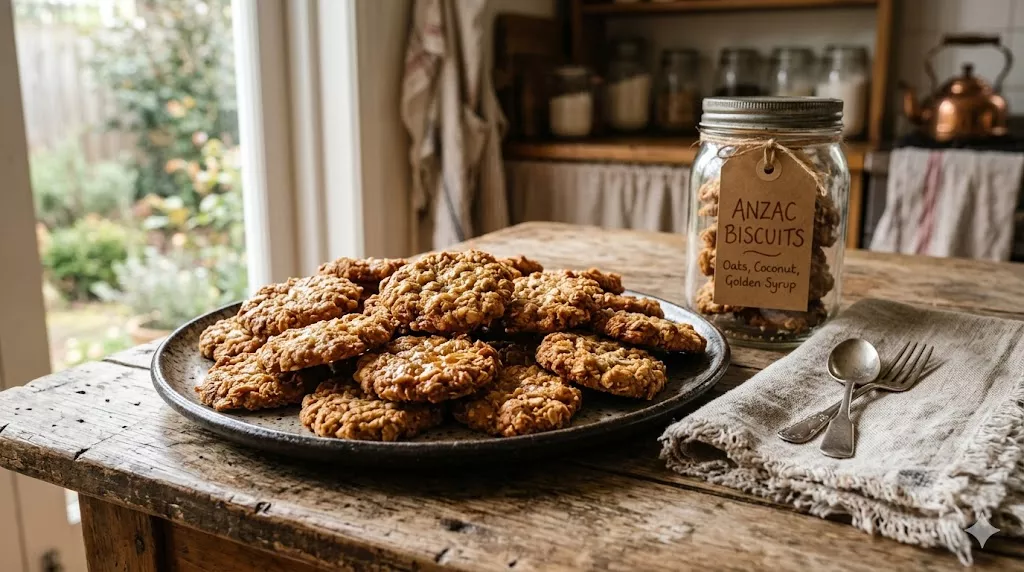
A frequent issue with oatmeal cookies is the texture: they can easily become either too hard and brittle or too soft and cakey. Finding that ideal balance of a crisp edge with a chewy center can feel elusive. Anzac biscuits offer a reliable solution with a fascinating backstory.
The reason these biscuits achieve their signature texture is their lack of eggs. Historically, Anzac biscuits were sent to soldiers during World War I because the ingredients—oats, flour, sugar, butter, and golden syrup—were shelf-stable and would not spoil during long voyages. Without eggs, the biscuits rely on baking soda dissolved in boiling water to create the rise and texture. The golden syrup (which can be substituted with light corn syrup or honey in the US) is the key to their characteristic chew.
The practical solution is to melt the butter and syrup together before adding the baking soda mixture. This ensures the leavening agent is evenly distributed. For the best texture, roll the dough into small balls and place them well apart on the baking sheet, as they spread considerably. Bake until they are a deep golden brown; the residual heat from the tray will continue to cook them, ensuring a crisp edge and a tender center.
A relatable example comes from a military family in San Diego. The mother was looking for a care package recipe that would withstand shipping to her son stationed overseas. She discovered Anzac biscuits. Packed tightly in a tin, they arrived intact and as fresh as the day they were baked. She noted that their durability and nostalgic flavor made them a new family tradition, a tangible connection to a shared history of service and resilience.
4. No-Bake Chocolate Slice (Chocolate Coconut Slice)
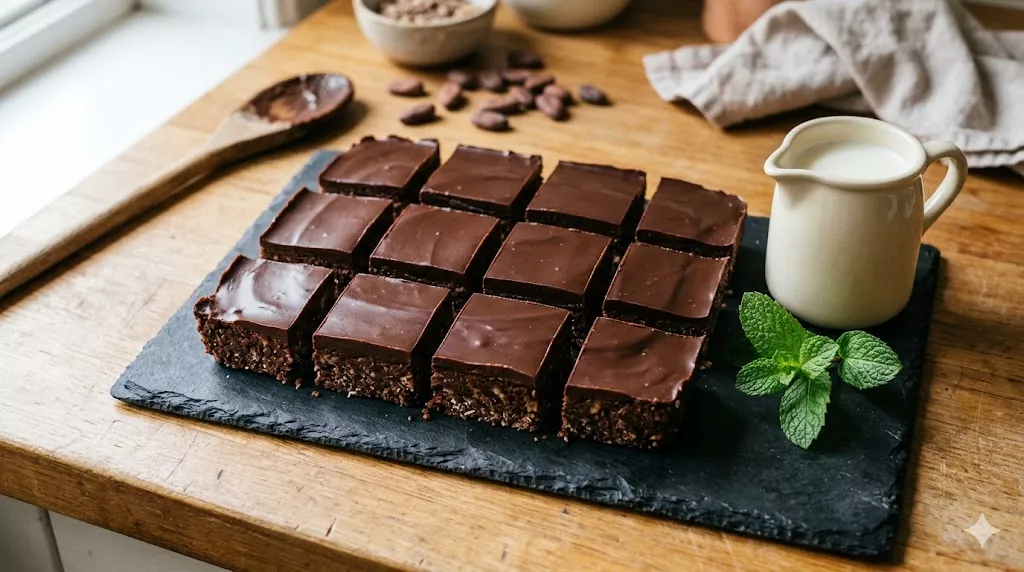
When the weather is warm, or time is short, turning on the oven can feel like the last thing you want to do. Many no-bake desserts, however, can feel overly sweet or use ingredients that require a specialty trip to the store. This Australian classic solves both problems with a deeply satisfying, pantry-friendly approach.
The insight behind this slice is that a simple combination of crushed cookies, sweetened condensed milk, and cocoa can create a base that is both rich and structurally sound. The condensed milk acts as the binder, setting firmly in the refrigerator without any baking required. A layer of melted chocolate on top elevates it from a simple bar to an impressive, fudge-like treat.
The practical solution is to use plain tea biscuits or graham crackers for the base. Crush them finely, then mix with shredded coconut, cocoa powder, and the condensed milk. Press this mixture firmly into a lined baking dish—pressing firmly is essential for a slice that cuts cleanly. Let it chill until firm, then pour a layer of melted dark chocolate over the top. Allow that to set completely before slicing.
A home baker in Denver, Colorado, shared how this recipe became her signature during the busy holiday season. With multiple gatherings to attend and a packed schedule, she needed a dessert that looked impressive but required minimal active time. She made the slice in the morning, let it set in the refrigerator, and by the evening she had a tray of perfect, fudge-like squares. She noted that it traveled well and was always the first dessert to disappear from the table.
5. Sticky Date Pudding with Toffee Sauce
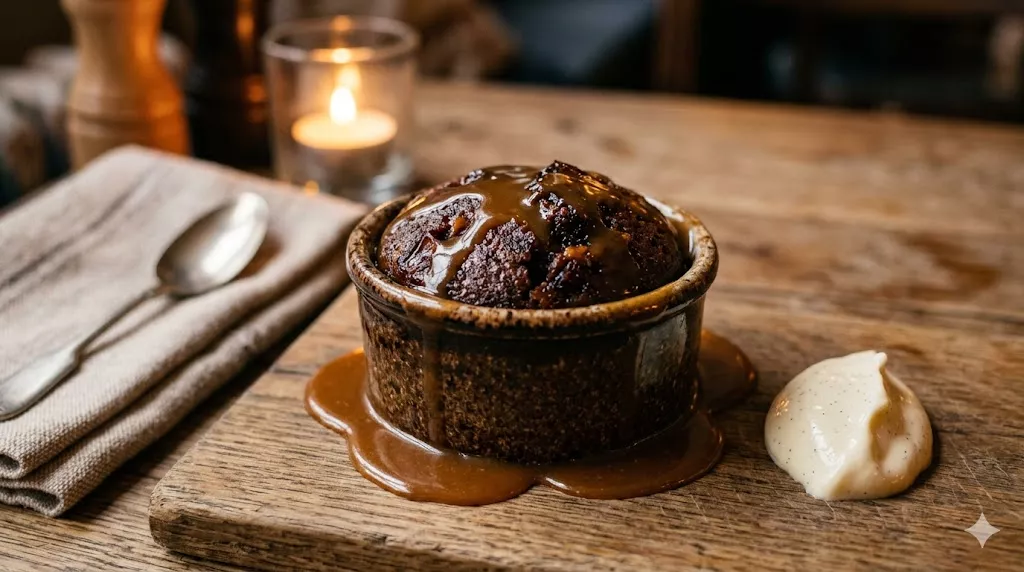
There is a particular challenge when trying to make a warm, comforting dessert: many recipes feel overly complicated, requiring a separate sauce and careful timing. Sticky date pudding defies this complexity by being both simple to prepare and unapologetically indulgent.
The reason this pudding works so beautifully is the dates themselves. When soaked in hot water or coffee, they break down into a natural, moist paste that keeps the cake incredibly tender without needing a lot of fat. This base creates a caramel-like flavor that pairs perfectly with a simple, poured toffee sauce. The dish feels luxurious but relies on a straightforward, one-bowl method.
The practical solution is to use a food processor to chop the dates and combine them with the hot liquid. This creates a smooth base into which you simply fold the remaining ingredients. Bake the pudding in a single dish, then while it is still warm, poke holes in the top and pour half of the toffee sauce over it so it soaks in. Serve the remaining sauce on the side. This method guarantees a moist, decadent dessert every time.
A baker in Seattle, Washington, found this to be her go-to recipe for cozy winter dinners. She noted that unlike a chocolate lava cake or a delicate soufflé, there was no stress about precise timing. She could bake the pudding ahead of time, reheat it gently, and prepare the toffee sauce at the last minute. Her guests were always surprised that such a rich, complex-tasting dessert came from such a simple, unfussy process.
Conclusion
Exploring Australian desserts is a reminder that the best baking often comes from a place of practicality and shared experience. These five recipes—Pavlova, Lamingtons, Anzac biscuits, No-Bake Chocolate Slice, and Sticky Date Pudding—are more than just a list of ingredients. They are reliable methods that have been tested and refined over time, built to work with what you already have in your kitchen.
The common thread among them is a relaxed confidence. They invite you to bake without pressure, to share without pretense, and to enjoy the process as much as the final result. Whether you are looking to start a new family tradition, find a reliable dish for a potluck, or simply treat yourself to a quiet moment with something sweet, these desserts offer a warm, trustworthy path forward.
FAQs
Can I easily find golden syrup for Anzac biscuits in the US?
Golden syrup can sometimes be found in the international aisle of larger grocery stores or online. A practical substitute is light corn syrup mixed with a small amount of molasses, or you can simply use honey, which will result in a slightly different flavor but a similar texture.
What is the best way to prevent my Pavlova from cracking?
Cracking is often caused by a sudden change in temperature. The most reliable method is to bake the Pavlova, then turn off the oven and leave the door slightly ajar until it is completely cool. This slow cooling process helps the meringue stabilize and reduces the chance of large cracks.
Are these desserts suitable for gluten-free baking?
Yes, many of them adapt well. For Lamingtons and the Sticky Date Pudding, a good quality 1:1 gluten-free all-purpose flour blend works well. For Anzac biscuits, certified gluten-free oats and a gluten-free flour blend are excellent substitutes. The No-Bake Chocolate Slice is naturally gluten-free if you use gluten-free cookies for the base.
Why do Anzac biscuits not contain eggs?
Anzac biscuits were historically created without eggs to ensure they could be sent long distances to soldiers without spoiling. The lack of eggs contributes to their characteristic chewy texture and long shelf life, making them an ideal cookie for shipping or storing.