
Everyone loves a soft, fluffy, and moist cake. Whether it’s for a birthday, celebration, or just a sweet treat, the texture of a cake plays a big role in how enjoyable it is. Many people try baking at home but often struggle to get that perfect softness like bakery-style cakes. The secret does not only lie in the baking method but also in choosing the right ingredients.
Using the best ingredients for baking soft cakes can completely change the final result. Each ingredient has a specific role, from adding moisture to creating a light structure. When combined correctly, they help produce cakes that are soft, airy, and delicious.
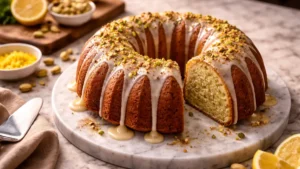

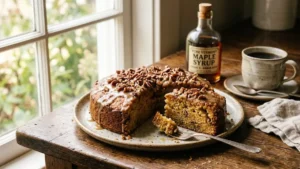
In this guide, we will explore the best ingredients for baking soft cakes, how they work, and expert tips to help you achieve perfect results every time.
What is “Best Ingredients for Baking Soft Cakes”
The term “best ingredients for baking soft cakes” refers to high-quality and carefully selected components that improve the texture, moisture, and structure of a cake. These ingredients work together to create a light and fluffy crumb.
A soft cake is usually:
- Moist but not wet
- Light and airy
- Smooth in texture
- Easy to slice and chew
Choosing the right ingredients is the first step toward achieving this perfect balance.

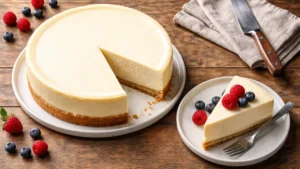
Key Ingredients for Baking Soft Cakes
Let’s look at the most important ingredients that help make cakes soft and fluffy.
1. Cake Flour
Cake flour is one of the best ingredients for baking soft cakes. It has a lower protein content compared to all-purpose flour.
Why it matters:
- Produces a lighter texture
- Creates a soft crumb
- Reduces toughness in cakes
If cake flour is not available, you can make a substitute using all-purpose flour and cornstarch.
2. Eggs
Eggs play a major role in cake structure and softness.



Benefits:
- Provide structure
- Add moisture
- Help trap air during mixing
Room temperature eggs work best because they mix evenly with other ingredients.
3. Sugar
Sugar is not just for sweetness—it also helps make cakes soft.
How it helps:
- Keeps the cake moist
- Helps in browning
- Adds tenderness
Granulated sugar is commonly used, but brown sugar can add extra moisture.
4. Butter or Oil
Fat is essential for soft cakes. Both butter and oil are commonly used.



Butter:
- Adds rich flavor
- Creates a soft texture
Oil:
- Makes cakes extra moist
- Keeps cakes soft for longer
Many bakers prefer oil for super soft cakes.
5. Milk or Buttermilk
Liquid ingredients help create the right batter consistency.
Benefits:
- Add moisture
- Improve texture
- Help activate baking powder
Buttermilk is especially useful because it adds softness and a slight tangy flavor.
6. Baking Powder or Baking Soda
These are leavening agents that help cakes rise.
Why they are important:
- Create air bubbles
- Make cakes light and fluffy
Without them, cakes can turn dense and hard.
7. Vanilla Extract
While not essential for texture, vanilla improves flavor.
Benefits:
- Enhances taste
- Makes cakes smell delicious
A good flavor makes the cake more enjoyable overall.
Key Benefits of Using the Right Ingredients
Using the best ingredients for baking soft cakes offers several advantages.
1. Better Texture
High-quality ingredients create a smooth and soft crumb.
2. Improved Moisture
Proper ingredients keep the cake from drying out.
3. Enhanced Flavor
Fresh and good-quality ingredients improve taste.
4. Consistent Results
Using the right ingredients ensures your cakes turn out perfect every time.
Important Facts About Cake Ingredients
Here are some useful facts that every baker should know:
- Cake flour has around 7–9% protein, which makes cakes softer.
- Oil-based cakes stay moist longer than butter-based cakes.
- Overusing flour can make cakes dense and dry.
- Fresh baking powder gives better rise and fluffiness.
- Room temperature ingredients mix more easily and evenly.
Understanding these facts helps improve your baking skills.
How Ingredients Work Together
Each ingredient in a cake recipe plays a specific role. When combined correctly, they create the perfect texture.
Here’s how it works:
- Flour provides structure.
- Eggs bind ingredients and trap air.
- Sugar softens and sweetens the cake.
- Fat (butter/oil) adds moisture and richness.
- Liquids create smooth batter consistency.
- Leavening agents help the cake rise.
When these ingredients are balanced properly, they produce a soft and fluffy cake.
Tips for Baking Soft Cakes
Follow these expert tips to improve your baking results.
1. Use Room Temperature Ingredients
Cold ingredients do not mix well and can affect texture.
2. Do Not Overmix the Batter
Overmixing can make the cake dense and hard.
3. Measure Ingredients Accurately
Use measuring cups or a kitchen scale for best results.
4. Preheat the Oven
Always bake in a preheated oven to ensure even cooking.
5. Use Fresh Ingredients
Old baking powder or stale flour can ruin your cake.
6. Add Moisture-Rich Ingredients
Ingredients like yogurt or buttermilk improve softness.
7. Do Not Overbake
Overbaking removes moisture and makes cakes dry.
Common Mistakes to Avoid
Many beginners make simple mistakes that affect cake softness.
Overmixing the Batter
This develops too much gluten and makes the cake tough.
Using Too Much Flour
Extra flour makes cakes dense and dry.
Incorrect Oven Temperature
Too high heat can dry out the cake.
Skipping Sifting
Sifting flour helps remove lumps and adds air.
Using Cold Ingredients
Cold butter or eggs can lead to uneven mixing.
Avoiding these mistakes can significantly improve your results.
Future Trends in Cake Baking
Cake baking is evolving with new techniques and ingredients.
Healthier Ingredients
People are using alternatives like whole wheat flour and natural sweeteners.
Eggless Baking
More recipes now use substitutes like yogurt and flaxseed.
Gluten-Free Cakes
Gluten-free flours are becoming more popular.
Natural Flavors
Bakers are choosing natural extracts instead of artificial flavors.
Smart Baking Tools
Modern ovens and tools help control temperature and baking time precisely.
These trends are making baking more flexible and accessible for everyone.
Conclusion
Baking soft cakes is not difficult when you understand the role of each ingredient. The best ingredients for baking soft cakes include cake flour, eggs, sugar, butter or oil, milk, and leavening agents. Each of these plays an important part in creating a soft, moist, and fluffy texture.
By choosing high-quality ingredients and using the right techniques, you can easily bake cakes that taste as good as bakery products. Simple steps like using room temperature ingredients, measuring correctly, and avoiding overmixing can make a big difference.
As baking continues to evolve, new ingredients and techniques are making it easier for beginners to achieve great results. With practice and the right knowledge, anyone can bake soft and delicious cakes at home.
FAQ’s
Which ingredient makes cakes soft and fluffy?
Cake flour and proper leavening agents like baking powder help make cakes soft and fluffy.
Is oil better than butter for soft cakes?
Oil often makes cakes more moist and soft, while butter adds flavor.
Why is my cake not soft?
Common reasons include overmixing, overbaking, or using too much flour.
Can I use milk instead of buttermilk?
Yes, but buttermilk gives better softness and flavor.