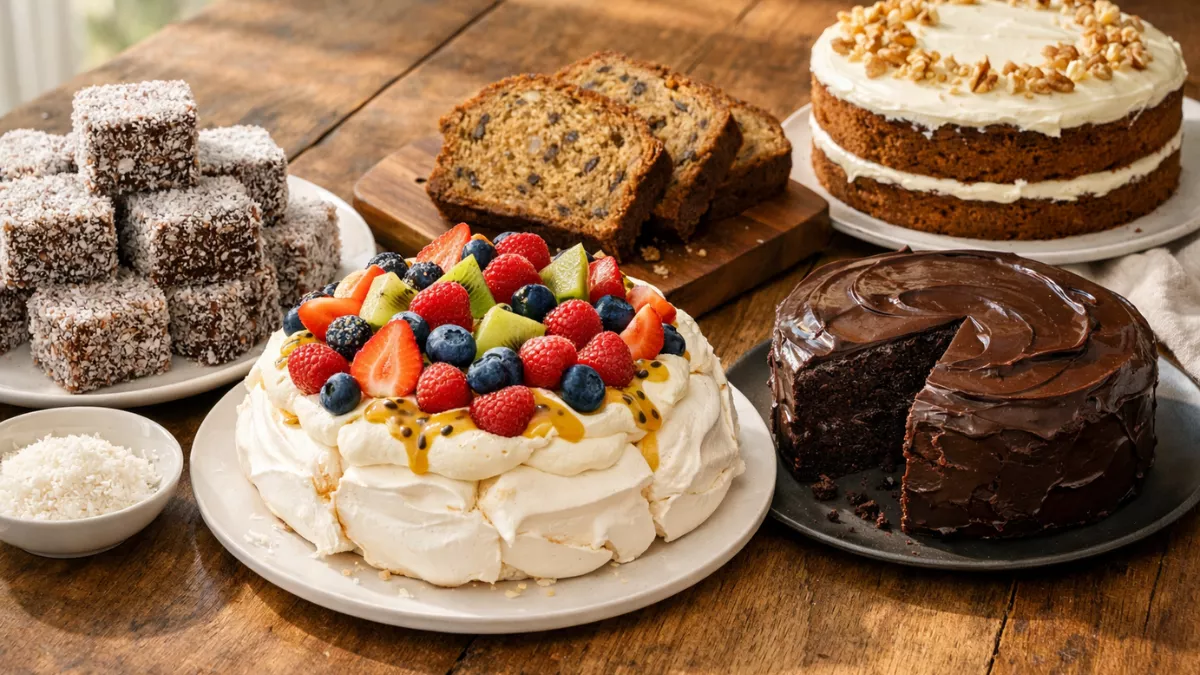
Imagine walking into a weekend gathering in Sydney or Melbourne. The coffee is strong, the conversation is easy, and sitting on the table is a dessert you might not recognize. It isn’t a red velvet cake or a classic American cheesecake. Instead, it is something simpler, often covered in coconut or layered with a cream you have never tasted before.
For many in the United States, Australian baking remains a delightful mystery. We know about meat pies and Vegemite, but the dessert scene is a hidden gem. If you enjoy baking or simply love trying new sweets, exploring Australian cakes opens up a world of texture and flavor that feels both nostalgic and fresh.
This article will walk you through five popular Australian cakes. You will learn what makes each one special, why Australians love them, and how you can successfully recreate them in your own kitchen using ingredients found in a standard American grocery store.
The Lamington: A Sponge Cake Covered in Chocolate and Coconut
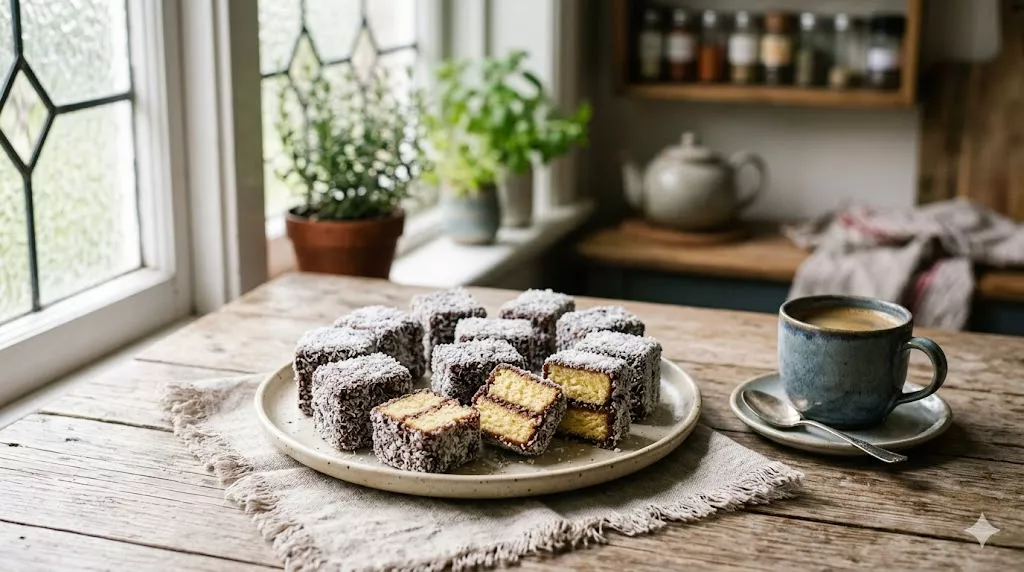
If you ask an Australian to name their most iconic cake, the Lamington will almost always come first. At its core, it is a light vanilla sponge cake, dipped in a thin chocolate icing, and then rolled in desiccated coconut. It looks simple, but there is a reason it has remained a staple for over a century.
The Problem
Many American bakers try to make Lamingtons and end up with a dry sponge or a chocolate coating that slides right off the cake. It can be frustrating to put in the work only to have the dessert fall apart before it even makes it to the plate.
Reason
The texture of the sponge is critical. Australian Lamingtons rely on a sponge that is sturdy enough to handle being dipped but light enough to melt in your mouth. Additionally, the chocolate icing needs to be thin and runny, but it must set quickly once the coconut is applied.
Practical Solution
To solve the texture issue, use a classic butter sponge recipe rather than an American-style fluffy butter cake. Let the cake sit overnight. A day-old cake is drier and absorbs the chocolate coating without disintegrating. For the icing, mix powdered sugar, cocoa powder, melted butter, and hot water until it reaches a consistency slightly thinner than maple syrup. This allows the coconut to stick perfectly.
Real-life Example
Sarah, a home baker in Portland, Oregon, discovered Lamingtons during a trip to Brisbane. She found that using a standard boxed yellow cake mix worked in a pinch, but the real magic happened when she swapped the boxed mix for a simple “Delia Smith” sponge recipe. By chilling the cake cubes before dipping, she achieved that classic Australian bakery look that her neighbors now request for every backyard barbecue.
The Pavlova: A Meringue Base with a Crispy Shell and Soft Heart
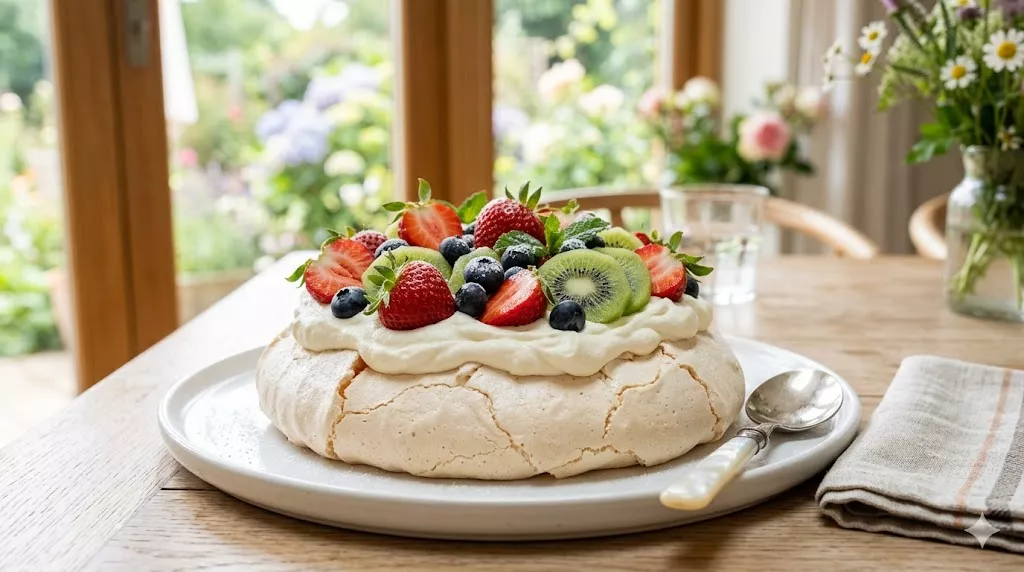
Often a point of friendly debate between Australia and New Zealand, the Pavlova is a dessert that defines summer holidays. It is a large meringue base with a crisp outer shell and a marshmallow-like center, topped with whipped cream and fresh fruit.
The Problem
The most common complaint about Pavlova in the United States is that it cracks in the oven, weeps sugary liquid after cooling, or ends up chewy rather than light. Home bakers often assume it requires professional pastry skills.

Reason
Pavlova is sensitive to humidity and temperature changes. A sudden drop in oven temperature or opening the oven door too early can cause the delicate structure to collapse. The weeping issue usually comes from undercooking or not allowing the meringue to cool slowly inside the oven.
Practical Solution
The key is patience. Beat egg whites to stiff peaks with superfine sugar (caster sugar), adding cornstarch and a touch of white vinegar to stabilize the structure. Bake the Pavlova at a low temperature, then turn the oven off and let it cool completely inside with the door slightly ajar. This gradual cooling prevents cracks and ensures the inside stays soft.
Real-life Example
Mark, a baker in Austin, Texas, struggled with Pavlova during the humid summer months. He learned to bake his meringues late at night when the humidity was lowest. He also discovered that placing the finished Pavlova on a wooden cutting board rather than a cold metal tray helped prevent condensation from forming on the base. Now, it is his go-to dessert for Fourth of July celebrations because it feels lighter than traditional pies.
The Vanilla Slice: Layers of Puff Pastry and Velvety Custard
Known in some regions as a “custard slice,” the Australian Vanilla Slice is a study in contrasts. It features two layers of flaky puff pastry sandwiching a thick, firm vanilla custard, all topped with a glossy layer of pink or white icing.
The Problem
When Americans attempt a Vanilla Slice, the pastry often becomes soggy. Alternatively, the custard can be too runny, causing the slice to lose its structure the moment it is cut.
Reason
This dessert relies on a specific type of custard that is set with cornstarch and egg yolks to a firm, sliceable consistency. If the custard is not cooked long enough to activate the cornstarch fully, it will not hold its shape. Additionally, assembling the slice too early without chilling allows moisture from the custard to seep into the pastry.
Practical Solution
Make sure to cook the custard until it visibly thickens and starts to pull away from the sides of the pan. After pouring the custard over the bottom layer of puff pastry, press the top layer on immediately and refrigerate the entire dish for at least four hours, preferably overnight. This resting time allows the layers to meld without becoming mushy.
Real-life Example
A bakery owner in Seattle started offering Vanilla Slices after noticing a demand from Australian expats. She found that using all-butter puff pastry instead of the standard vegetable oil-based version made a significant difference in preventing sogginess. She also recommends using a serrated knife and wiping it clean between cuts to achieve those clean, professional edges that make this cake so visually appealing.
The Caramel Slice: A Trio of Base, Caramel, and Chocolate
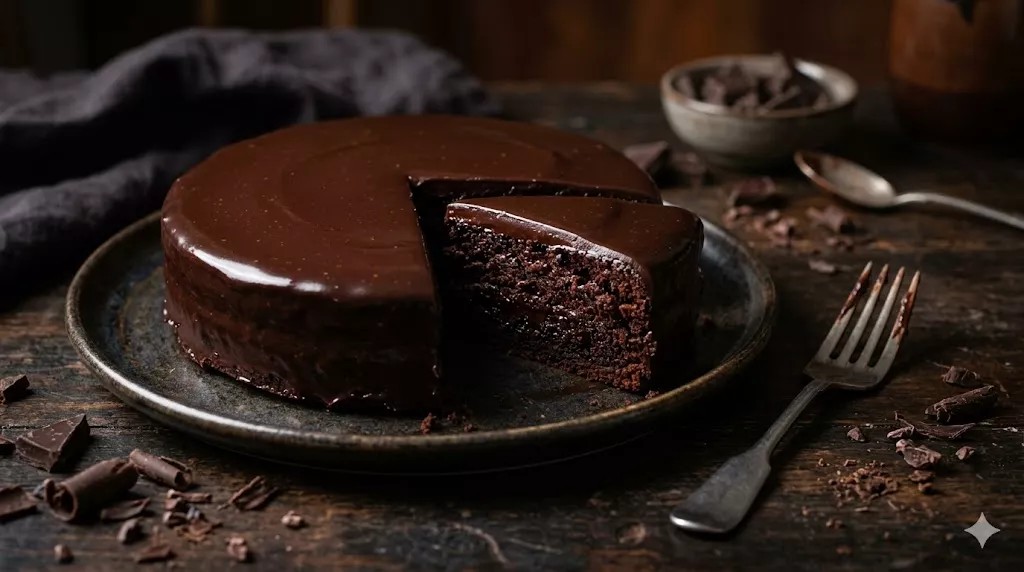
Often called a “millionaire’s shortbread” in other parts of the world, the Australian Caramel Slice takes the concept of a sweet treat very seriously. It has a buttery, crumbly base, a thick layer of gooey caramel, and a firm topping of dark chocolate.
The Problem
The main difficulty for home bakers is achieving a caramel layer that is chewy and dense rather than hard and brittle. Many recipes result in caramel that sticks to the teeth or separates from the base.
Reason
The caramel in this slice is traditionally made by boiling sweetened condensed milk, butter, and golden syrup. If the temperature is not managed correctly, the sugars can crystallize, leading to a grainy texture. If it is boiled too aggressively, the caramel becomes too hard once cooled.
Practical Solution
Use a heavy-bottomed saucepan to prevent hot spots. Stir the caramel mixture constantly over low heat for about ten to fifteen minutes until it turns a deep golden color. For a foolproof method, use a can of pre-made caramel (dulce de leche) and simply heat it with butter. This shortcut does not compromise authenticity and guarantees a smooth, consistent texture.
Real-life Example
Jessica, a mom in Denver, needed a no-fuss treat for school bake sales. She started making Caramel Slices because they travel well and do not require refrigeration. She found that Americans loved the combination of textures. Her secret is pressing the base into the pan with the back of a measuring cup to ensure it is compact enough to hold the heavy caramel layer without crumbling.
The ANZAC Biscuit Cake: A Twist on a Classic Cookie
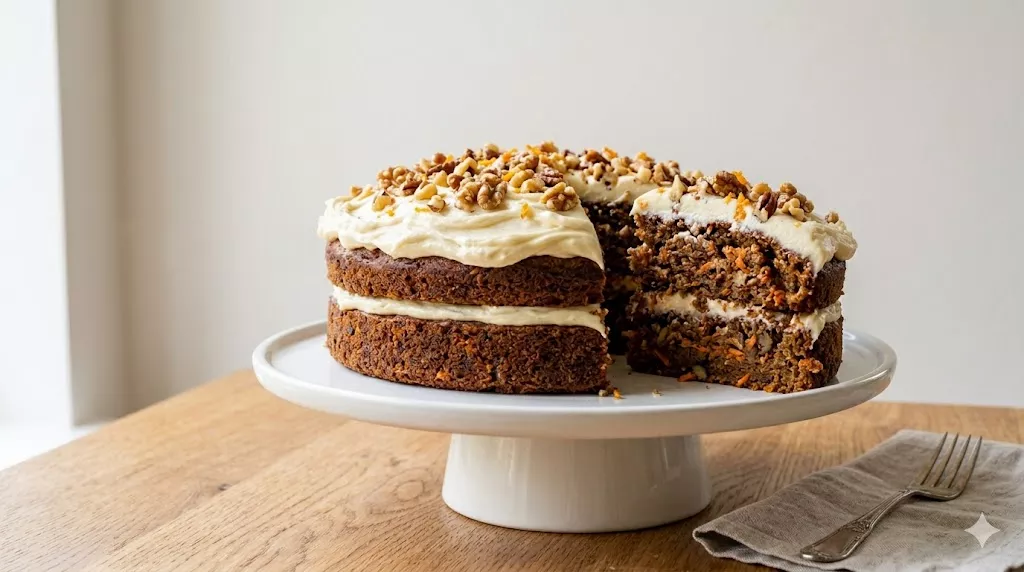
While technically a slice or a biscuit cake, the ANZAC Biscuit Cake has earned its place on Australian dessert tables. It takes the beloved ANZAC biscuit—made from oats, coconut, and golden syrup—and transforms it into a no-bake cake layered with chocolate and more crushed biscuits.
The Problem
The issue with no-bake cakes is structural integrity. Without the binding of flour and eggs, these slices can sometimes crumble apart when served, leaving a messy plate rather than a neat square.
Reason
The binding agent in this cake is melted chocolate and butter. If the ratio of dry ingredients (biscuits and oats) to wet ingredients (chocolate and butter) is off, the slice will not set firmly. Additionally, if the mixture is not refrigerated long enough, it will fall apart.
Practical Solution
Weigh your ingredients carefully. The standard recipe calls for a high ratio of melted chocolate to dry mix. After combining everything, press the mixture firmly into a lined tin and refrigerate for a minimum of three hours. For a cleaner cut, let the slice sit at room temperature for ten minutes before slicing with a large, sharp knife.
Real-life Example
A café owner in San Francisco introduced the ANZAC Biscuit Cake as a gluten-free option, noting that oats and coconut naturally cater to that dietary need. She found that customers who had never heard of ANZAC biscuits loved the combination of crunchy texture and rich chocolate. She recommends using high-quality dark chocolate to balance the sweetness of the golden syrup.
Conclusion
Australian cakes offer a beautiful balance of simplicity and flavor. They are not about elaborate frosting techniques or hard-to-find ingredients. Instead, they focus on texture—the crisp shell of a Pavlova, the soft crumb of a Lamington, and the satisfying chew of a Caramel Slice.
By understanding the common pitfalls with these desserts, you can approach them with confidence. Whether you are looking for a showstopper for a holiday gathering or a reliable slice for a school bake sale, these five recipes provide a practical starting point. Baking these cakes is also a way to connect with a rich culinary tradition that prioritizes comfort and sharing. We hope you enjoy bringing a taste of Australia into your own kitchen.
FAQs
Can I substitute corn syrup for golden syrup in these recipes?
Yes, you can use light corn syrup as a substitute for golden syrup in a pinch. However, golden syrup has a distinct buttery, caramel flavor that corn syrup lacks. If authenticity is important to you, look for golden syrup in the international aisle of major grocery stores or online.
Why do Australian cakes often use desiccated coconut instead of shredded coconut?
Desiccated coconut is finely ground and dry, which allows it to adhere evenly to chocolate coatings like those on Lamingtons. Shredded coconut is often too heavy and moist, causing it to fall off. For the best texture, try to find fine, unsweetened desiccated coconut.
Do I need special equipment to make a Pavlova successfully?
A stand mixer or a reliable electric hand mixer is essential because achieving stiff peaks in egg whites is crucial. You will also need a clean, grease-free bowl. Metal or glass bowls are preferable to plastic, as plastic can sometimes retain traces of oil that prevent the egg whites from whipping properly.
How should I store these cakes to keep them fresh?
Storage depends on the type of cake. Lamingtons and Caramel Slices can be stored in an airtight container at room temperature for up to five days. Pavlova is best assembled and served on the same day to prevent the meringue from absorbing moisture from the cream. Vanilla Slices must be stored in the refrigerator due to the custard filling.