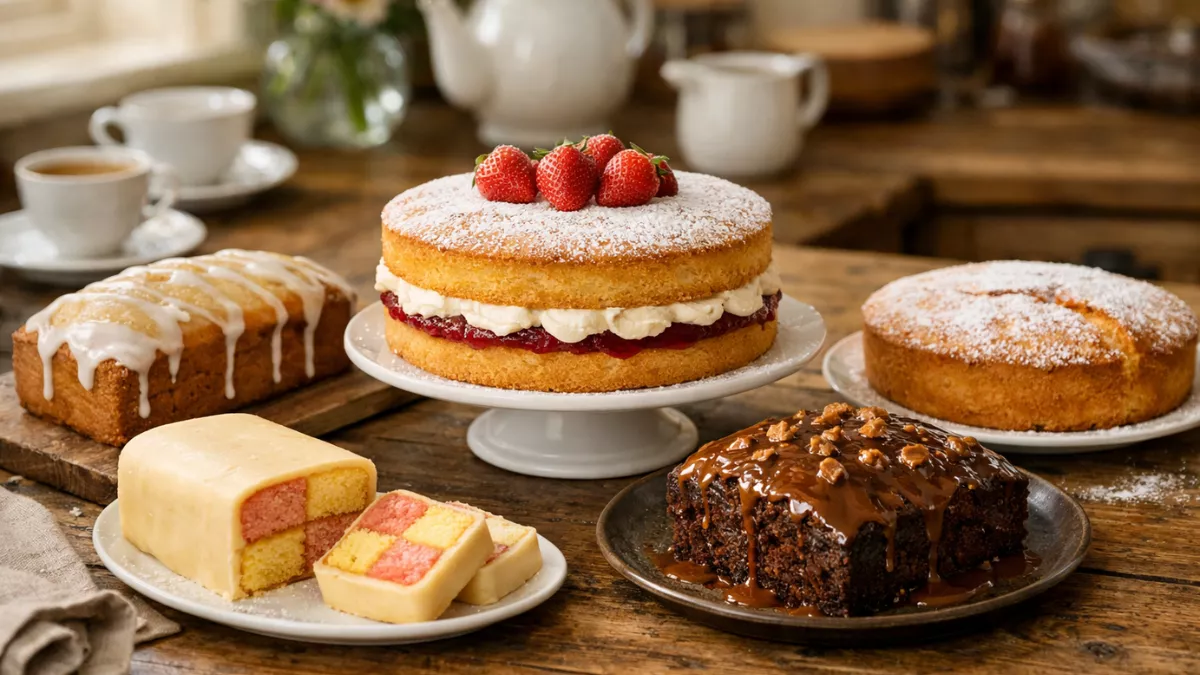
If you’ve ever wanted to recreate something comforting and timeless in your kitchen, classic British cakes are a great place to start. Many home bakers in the U.S. look for desserts that feel special but don’t require complicated techniques or hard-to-find ingredients. The challenge is knowing which recipes are truly worth your time.
British cakes stand out because they focus on simple ingredients, balanced flavors, and reliable methods. In this guide, you’ll discover five classic British cakes that are practical to bake at home, along with tips to help you get consistent results—even if you’re not an experienced baker.
Victoria Sponge Cake: A Simple, Reliable Classic
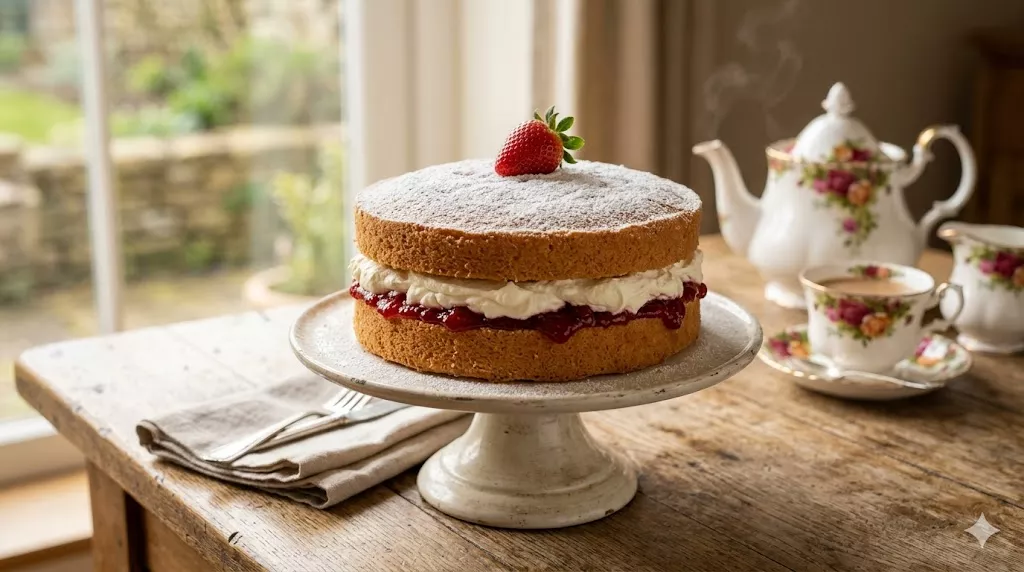
One common problem home bakers face is finding a cake that turns out soft and balanced without being overly sweet. Many American-style cakes rely heavily on frosting, which can sometimes overpower the base.
The Victoria Sponge solves this by keeping things simple. It uses equal parts butter, sugar, eggs, and flour, creating a light texture without unnecessary richness. The filling—usually strawberry jam and whipped cream—adds flavor without making the cake heavy.
To get it right, focus on proper creaming. Beat the butter and sugar until pale and fluffy before adding eggs gradually. This step traps air, which helps the cake rise evenly.
For a practical example, many U.S. bakers use this cake for casual gatherings like brunch or afternoon coffee. It’s easy to assemble, doesn’t require advanced decorating skills, and still looks elegant on the table.
Lemon Drizzle Cake: Bright Flavor with Minimal Effort
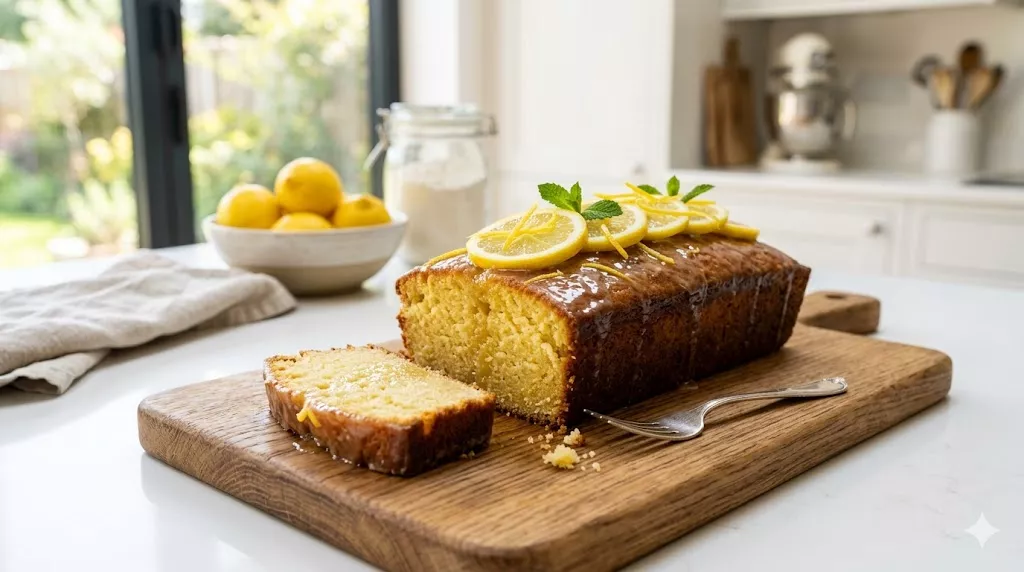
A frequent issue in baking is achieving strong flavor without complicating the recipe. Some cakes require multiple layers or fillings to stand out, which can feel overwhelming.
The Lemon Drizzle Cake offers a straightforward solution. The batter is simple, but the key is the syrup poured over the cake while it’s still warm. This allows the lemon flavor to soak in deeply, creating a moist texture and a refreshing taste.
When making this cake, don’t skip the drizzle step. Mix fresh lemon juice with sugar and pour it slowly over the baked cake. Let it absorb fully before slicing.
In real-life use, this cake works well for U.S. households looking for a lighter dessert option. It pairs naturally with tea or coffee and is often served at small gatherings where people prefer something not overly rich.
Battenberg Cake: A Visual Treat Made Practical
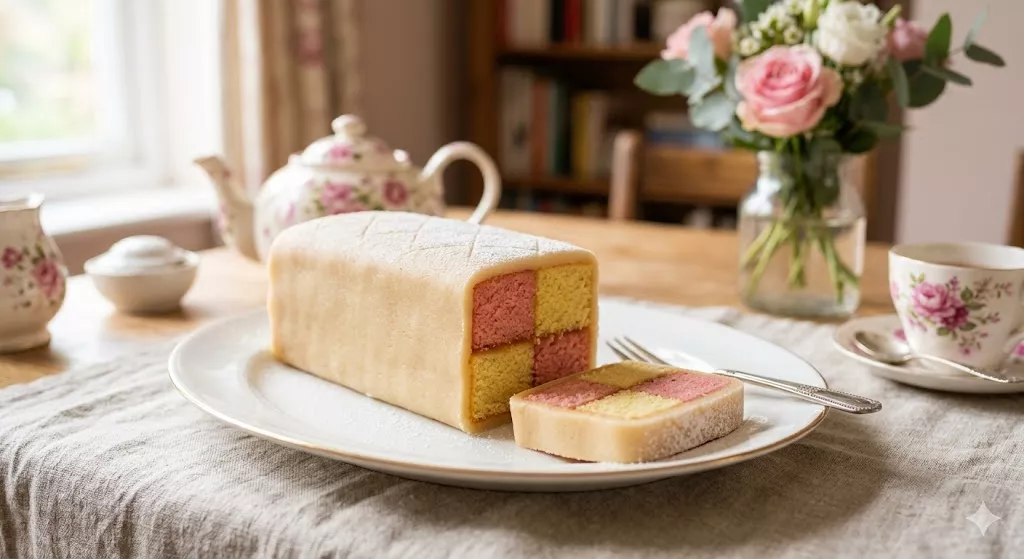
Many people avoid decorative cakes because they assume they’re too complex. Battenberg Cake, known for its checkerboard pattern, can seem intimidating at first glance.
However, the process becomes manageable when broken down into steps. The cake is made by baking two differently colored sponge layers, cutting them into strips, and assembling them in a checkerboard pattern with jam. A layer of marzipan wraps everything together.
The key is planning. Use a simple template or guide when cutting the cake strips to keep the pattern even. Take your time assembling—it’s more about precision than skill.
In the U.S., this cake often becomes a conversation piece at events like birthdays or tea parties. Even a slightly imperfect pattern still looks impressive, making it a rewarding project for home bakers wanting to try something new.
Sticky Toffee Cake: Rich and Comforting Dessert
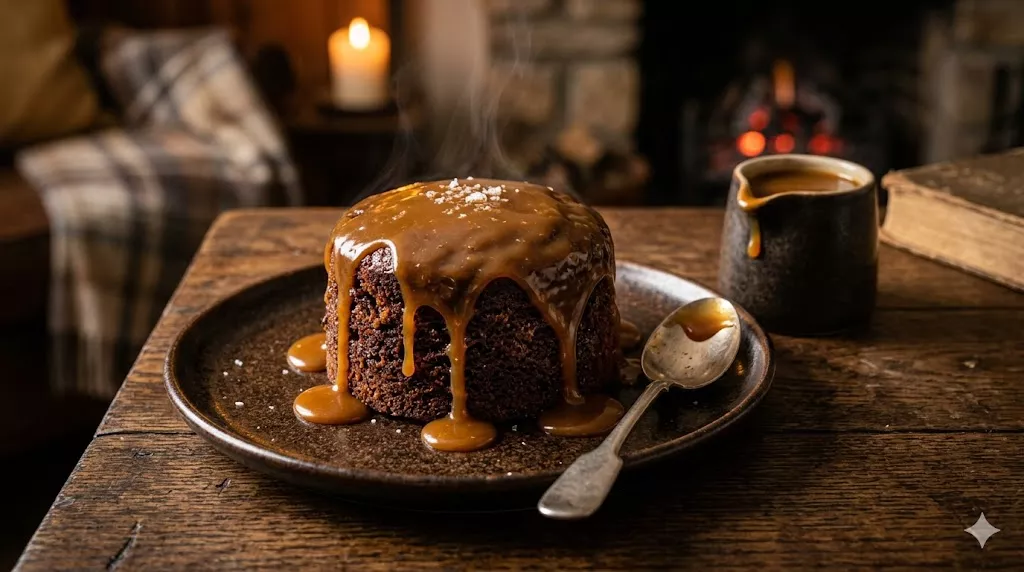
A common baking challenge is achieving moisture without making a cake dense or soggy. Many recipes either dry out quickly or become too heavy.
Sticky Toffee Cake solves this by using dates in the batter. The dates add natural sweetness and moisture, while a warm toffee sauce poured over the cake enhances both texture and flavor.
To make it successfully, soak the chopped dates in hot water before adding them to the batter. This softens them and helps distribute moisture evenly throughout the cake.
In the U.S., this cake is often served warm as a dessert after dinner, especially during colder months. It’s similar in comfort level to bread pudding, making it familiar yet distinct for American audiences.
Madeira Cake: A Firm Cake for Everyday Use
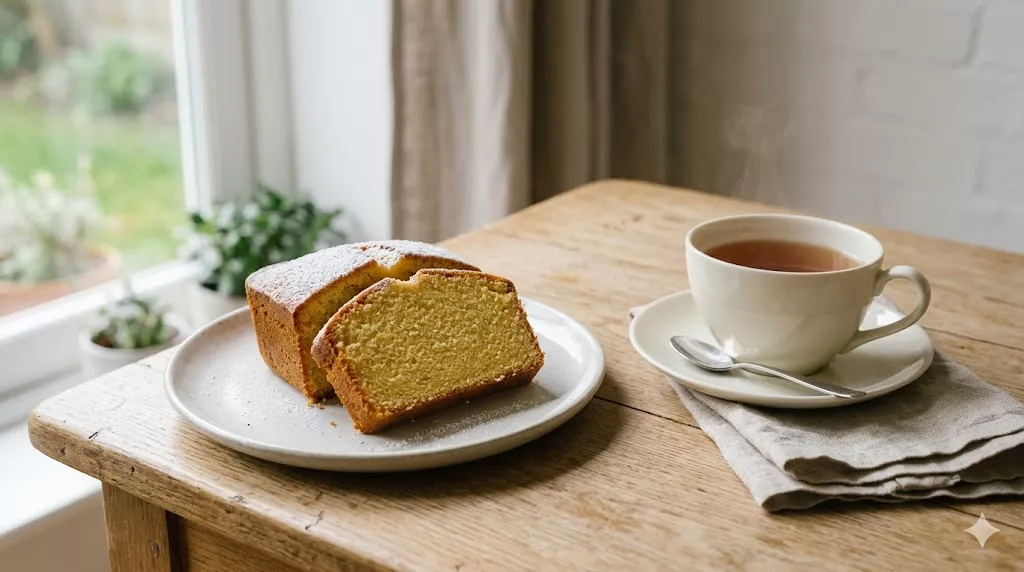
Sometimes, bakers need a cake that holds its shape well—something suitable for slicing, packing, or serving without frosting. Many soft cakes don’t meet this need.
Madeira Cake is designed for this purpose. It has a slightly firmer texture, making it ideal for clean slices. Despite the name, it doesn’t contain wine; it’s traditionally served with a glass of Madeira.
The secret to success is not overmixing the batter. Mix just until combined to maintain a tender crumb while keeping the structure intact.
In everyday U.S. use, this cake works well for packed lunches, picnics, or simple desserts. It’s durable, not overly sweet, and easy to pair with fruit or a light dusting of powdered sugar.
How to Choose the Right Cake for Your Needs
A common problem is not knowing which cake fits your situation. Baking the wrong type can lead to wasted effort or disappointing results.
If you want something quick and reliable, go with Victoria Sponge or Lemon Drizzle. For special occasions, Battenberg adds visual appeal. If you’re looking for comfort food, Sticky Toffee Cake is the better choice. For practical, everyday use, Madeira Cake is ideal.
Think about your goal before you start. Are you baking for guests, family, or just yourself? Matching the cake to the occasion makes the process more efficient and enjoyable.
Practical Baking Tips for Better Results
Many baking issues come from small mistakes rather than complex problems. Understanding a few fundamentals can significantly improve outcomes.
First, always measure ingredients accurately. Baking is less forgiving than cooking, so even small changes can affect texture. Second, use room-temperature ingredients unless stated otherwise. This helps the batter mix evenly.
Third, don’t rush the baking process. Preheat your oven fully and avoid opening the door too early, as this can cause cakes to collapse.
For U.S. bakers, using standard measuring cups is fine, but weighing ingredients (in grams) often gives more consistent results—especially for sponge-based cakes.
Conclusion
Classic British cakes offer a practical balance between simplicity and quality. They don’t rely on complicated techniques or excessive decoration, making them accessible for home bakers at any level.
Whether you choose a light Victoria Sponge, a zesty Lemon Drizzle, or a rich Sticky Toffee Cake, each recipe provides a reliable way to improve your baking skills while creating something enjoyable.
By focusing on basic techniques and choosing the right cake for your needs, you can consistently achieve better results in your kitchen. Over time, these recipes can become dependable favorites you return to again and again.
FAQs
Are British cakes different from American cakes?
Yes, British cakes are generally less sweet and rely more on the cake itself rather than heavy frosting.
Which British cake is easiest for beginners?
Victoria Sponge and Lemon Drizzle Cake are the easiest due to their simple ingredients and methods.
Can I find ingredients for these cakes in the U.S.?
Yes, all ingredients used in these recipes are commonly available in U.S. grocery stores.
How do I keep cakes moist for longer?
Store them in an airtight container and avoid overbaking. Adding syrups, like in Lemon Drizzle Cake, also helps retain moisture.