In 2026, weddings across the United States are becoming more intentional, more personalized, and more design-driven than ever before. Couples are moving away from overly ornate, towering cakes and embracing styles that feel refined, meaningful, and effortlessly beautiful. A simple yet elegant wedding cake is no longer a budget compromise—it’s a conscious design choice that reflects modern values: quality over excess, authenticity over trend-chasing, and aesthetics that photograph beautifully across digital platforms.
For U.S.-based couples planning their weddings this year, this guide offers practical inspiration and expert insight into selecting a cake that balances simplicity with sophistication. You’ll learn how to choose designs that complement your venue, manage your budget wisely, work effectively with a professional baker, and ensure your cake not only looks stunning but tastes exceptional. Whether you’re planning a New York rooftop celebration, a Texas ranch wedding, or a California coastal ceremony, these ideas are tailored to today’s American wedding landscape.
Why Simplicity Is Defining Wedding Cake Trends in 2026
The shift toward minimal elegance isn’t accidental. In recent years, American couples have prioritized curated guest experiences, high-quality food, and cohesive event design. Wedding planners report that couples now want cakes that integrate seamlessly into the overall aesthetic rather than overpowering it.
Photography also plays a significant role. With weddings widely shared on social media and private digital albums, clean cake designs photograph better in natural light and remain timeless years later. Heavy fondant textures and exaggerated embellishments can date quickly, while understated styles age gracefully.
Additionally, sustainability is influencing choices. Smaller guest lists, reduced food waste, and locally sourced ingredients are now common considerations. Simple wedding cakes often align naturally with these values by focusing on craftsmanship and flavor rather than excess decoration.
Understanding the Foundation of Elegant Simplicity
Before choosing a design, it helps to understand what “simple yet elegant” truly means in professional baking. It does not mean plain or boring. Instead, it reflects intentional restraint. Every element serves a purpose.
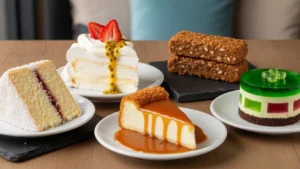
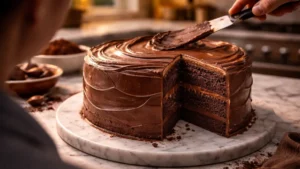
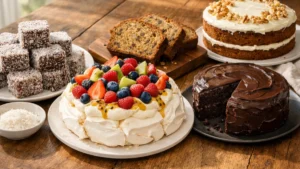
Professional pastry chefs emphasize three core principles in elegant cake design: clean lines, balanced proportions, and refined detail. A cake with smooth buttercream and a single floral accent can feel more luxurious than one overloaded with decorations. Texture, color harmony, and finish matter more than complexity.
Modern couples benefit from thinking of their cake as part of a larger visual story. Consider your venue architecture, floral palette, table linens, and lighting. When these elements align, even the most minimal cake can become a focal point.
Single-Tier Cakes for Intimate Weddings
Micro-weddings and intimate gatherings remain popular across the U.S. in 2026. For guest counts under 75, a single-tier cake can be surprisingly impactful.
A tall, single-tier cake with sharp edges and smooth buttercream offers dramatic elegance without excess. Height creates presence, while simplicity maintains refinement. Neutral tones such as ivory, soft taupe, or muted sage complement modern venues from urban lofts to vineyard estates.
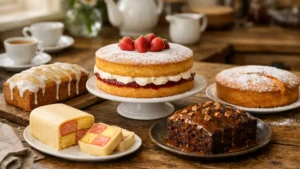
Couples often pair a small display cake with sheet cakes prepared in the kitchen for serving. This strategy reduces cost while preserving a beautiful presentation for the cake-cutting moment.
Flavor becomes especially important in smaller weddings. Popular U.S. flavor combinations in 2026 include lemon elderflower with vanilla bean buttercream, brown butter cake with salted caramel, and classic almond cake with raspberry preserves. Simple design allows guests to focus on taste.
The Power of White: Timeless Minimalism
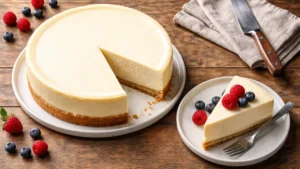
White wedding cakes remain a dominant choice, but today’s versions feel contemporary rather than traditional. Instead of heavy piping and layered textures, modern white cakes feature smooth finishes and subtle detail.
Buttercream is increasingly favored over fondant for its flavor and soft matte appearance. Textured spatula strokes or faint horizontal lines add dimension without clutter.
A white cake pairs well with almost any décor theme. In coastal Florida weddings, couples often incorporate subtle shell-inspired textures. In Midwest barn venues, white cakes contrast beautifully with warm wood interiors. The neutrality provides versatility, allowing floral accents or metallic cake stands to enhance the look.
Natural Florals for Organic Elegance
Fresh flowers remain one of the most effective ways to elevate a simple cake. The key is thoughtful placement. Instead of cascading arrangements, modern bakers use asymmetrical floral clusters or single statement blooms.
Couples should coordinate directly with their florist and baker to ensure flowers are food-safe. Professional bakers use protective barriers between blooms and cake surfaces to maintain safety standards.
In spring weddings across states like Georgia and Virginia, soft peonies and garden roses create romantic elegance. In Arizona desert weddings, dried grasses and muted florals offer a clean, contemporary aesthetic. The restraint in placement preserves the minimalist appeal while adding natural beauty.
Monochromatic Color Palettes
Neutral tones dominate 2026 wedding cake trends. Shades like warm beige, dusty blue, and soft blush create sophistication without overwhelming the design.
Monochromatic cakes—where the cake and décor share the same color family—feel cohesive and high-end. A soft champagne-toned cake with matching silk ribbon detailing can complement a ballroom wedding without looking overdone.
For modern city weddings, muted gray or pale stone colors align beautifully with industrial venues. The key is subtlety. Strong colors are best applied sparingly to maintain elegance.
Textured Buttercream for Understated Detail
Texture is replacing intricate piping in modern cake design. Smooth buttercream with delicate texture patterns adds visual interest without clutter.
Techniques such as palette knife strokes, gentle ridges, or soft stucco finishes are particularly popular. These textures reflect light beautifully in professional photography and create dimension in natural lighting conditions.
Textured buttercream works especially well in outdoor weddings where bright sunlight enhances surface detail. The result feels artisanal yet refined.
Sleek Two-Tier Designs for Balanced Sophistication
For weddings with 100 to 150 guests, a two-tier cake often provides ideal visual balance. Modern versions emphasize proportion over height.
Clean edges, minimal decoration, and strategic spacing between tiers create elegance. Some bakers incorporate subtle separators or acrylic bases to add architectural interest while maintaining simplicity.
Two-tier cakes also allow couples to explore complementary flavors. For example, one tier might feature a classic vanilla bean cake, while the other offers chocolate with espresso buttercream. This approach enhances guest experience without complicating the visual design.
Metallic Accents Used Sparingly
In 2026, metallic details remain popular but are applied with restraint. Thin gold leaf accents, subtle silver brush strokes, or minimal pearl detailing can elevate a cake without overwhelming it.
American couples planning formal black-tie weddings often choose a crisp white cake with minimal gold edging. The metallic detail adds sophistication while preserving simplicity.
Overuse of metallic finishes can quickly look dated. The guiding principle is balance. A single refined detail often creates more impact than heavy embellishment.
Flavor Innovation Within Classic Frameworks
While design trends lean minimalist, flavor innovation continues to expand. Modern couples expect exceptional taste, especially given the investment in wedding catering.
Seasonal ingredients sourced locally are increasingly prioritized. In California, citrus-forward cakes remain popular. In the Northeast, apple spice variations are trending for fall weddings. Southern weddings often feature coconut cake or red velvet reinterpretations.
Working closely with your baker for a tasting session is critical. Professional bakers recommend scheduling tastings three to six months before the wedding to allow sufficient time for flavor refinement and final design approval.
Budget Considerations Without Compromising Style
Simple cakes can be more cost-effective, but pricing depends on size, ingredients, and labor. In major metropolitan areas like Los Angeles or Chicago, average wedding cake pricing in 2026 ranges between $7 and $12 per slice. Smaller cities may see slightly lower rates.
Choosing buttercream over fondant can reduce costs. Limiting intricate decorations also saves labor expenses. However, quality ingredients and experienced bakers remain essential investments.
Couples should allocate approximately 2 to 5 percent of their total wedding budget to the cake. Transparency with your baker about guest count and budget allows for creative solutions that maintain elegance.
Coordinating Cake Design With Venue Style
Venue aesthetics heavily influence cake design success. A minimalist cake complements modern art galleries, contemporary hotels, and coastal resorts. Rustic venues benefit from subtle texture and organic florals rather than ornate fondant.
In urban settings like New York City, sleek geometric designs align well with cityscapes. In Napa Valley, natural tones and fresh florals harmonize with vineyard surroundings.
Couples should share venue photos and mood boards with their baker to ensure cohesion. This collaboration enhances overall event design and ensures the cake feels intentional.
Working With a Professional Baker
Choosing an experienced, licensed baker ensures food safety, structural integrity, and reliable delivery. In the U.S., reputable bakers operate from inspected kitchens and carry appropriate business insurance.
Clear communication is essential. Provide guest count, venue details, color palette, and inspiration images. Ask about delivery logistics, cake-cutting services, and storage instructions.
Contracts should specify flavor selections, design details, pricing, delivery timing, and cancellation policies. Professional bakers appreciate clients who provide organized information and realistic expectations.
Ensuring the Cake Tastes as Good as It Looks
A beautiful cake loses impact if it tastes dry or overly sweet. Ask your baker about baking schedules and ingredient sourcing. Freshly baked layers assembled close to the event maintain moisture and flavor.
Avoid designs that compromise structure for aesthetics. Tall cakes require proper internal support. Experienced bakers use dowels and boards to ensure safe stacking.
When planning summer weddings in warmer states like Texas or Florida, discuss temperature considerations. Buttercream stability varies in heat, and venue climate control plays a crucial role.
Conclusion: Timeless Elegance Through Intentional Design
Simple yet elegant wedding cakes are defining the American wedding scene in 2026 because they reflect what modern couples value most: authenticity, quality, and timeless design. By focusing on clean lines, balanced proportions, refined details, and exceptional flavor, couples can create a cake that enhances their celebration without overshadowing it.
The key takeaways are clear. Choose a design that complements your venue and overall aesthetic. Prioritize flavor and ingredient quality. Work closely with a licensed professional baker. Maintain restraint in decorative elements to preserve elegance. Most importantly, remember that simplicity is a design strength—not a limitation.
As you plan your wedding, start by gathering inspiration that reflects your personality and location. Schedule tastings early, confirm guest counts, and communicate openly with your baker. With thoughtful planning and intentional design choices, your wedding cake will become a memorable centerpiece that embodies both modern style and lasting sophistication.
FAQ’s
What makes a wedding cake feel elegant but simple in 2026?
Clean lines, neutral tones, minimal décor, and balanced proportions create timeless elegance without excessive decoration or heavy fondant details.
How much should U.S. couples budget for a wedding cake?
Most couples allocate 2–5% of their total wedding budget, averaging $7–$12 per slice depending on city and complexity.
Is buttercream better than fondant for modern weddings?
Buttercream is preferred for its flavor, softer look, and natural finish, making it ideal for minimalist designs.
Can a small cake work for a large guest list?
Yes, display a small tiered cake for photos and serve sheet cakes from the kitchen to accommodate all guests.