In 2026, milestone celebrations feel more meaningful than ever. Families are gathering more intentionally, small businesses are hosting client appreciation events, and social media continues to turn life moments into shared digital memories. Whether it’s a 30th birthday in Austin, a golden anniversary in Ohio, or a retirement party in California, one detail consistently captures attention: the cake.
Personalizing a cake is no longer just about adding a name in frosting. It’s about telling a story. It’s about reflecting identity, culture, achievements, and future dreams in an edible form. For U.S.-based readers, this guide will show you exactly how to personalize a cake for milestone celebrations with clarity and confidence. You’ll learn how to choose the right design, match flavors to the guest of honor, align with 2026 dietary trends, collaborate with professional bakers, and avoid costly mistakes.
If you want your celebration cake to feel intentional, thoughtful, and unforgettable, this comprehensive guide will walk you through every step.
Why Personalization Matters More in 2026
Celebrations today are less generic and more identity-driven. People want experiences that reflect who they are. This shift is visible across U.S. events, from custom décor to curated menus. Cakes are no exception.
Milestone celebrations such as 16th birthdays, 21st birthdays, 40th birthdays, graduations, baby showers, retirements, and wedding anniversaries often represent turning points. A personalized cake becomes a centerpiece that visually represents that life chapter.
In 2026, personalization also aligns with broader trends:
There is growing demand for inclusive and allergy-aware baking, including gluten-free, dairy-free, and nut-free options.
Social media platforms still reward visually distinctive desserts, meaning custom cakes often become shareable moments.
Consumers increasingly prefer supporting local bakeries with artisanal craftsmanship rather than mass-produced grocery store cakes.
Personalization transforms a cake from dessert into memory architecture.
Start With the Story, Not the Design
Identify the Milestone’s Meaning
Before choosing colors or flavors, ask what this milestone represents. Is it resilience after a tough year? A career achievement? A cultural coming-of-age moment? A 50th wedding anniversary reflects endurance and partnership. A 21st birthday symbolizes independence. A retirement marks decades of work and a new beginning.
The cake should communicate that narrative visually and symbolically.
For example, a retirement cake for a firefighter in New York might include subtle firehouse details or a fondant badge, while a college graduation cake in Texas might feature school colors and a minimalist cap design.
Reflect Personal Identity
Personalization becomes powerful when it includes real details about the person. Consider:
Hobbies such as golfing, gaming, gardening, or travel.
Professional achievements like law school graduation or military service.
Cultural heritage expressed through traditional flavors or design motifs.
Future aspirations such as a travel theme for someone about to explore the world.
This approach ensures the cake feels tailored rather than templated.
Choose a Flavor Profile That Fits the Person
Go Beyond Vanilla and Chocolate
While classic flavors remain popular in the U.S., 2026 trends show growing interest in flavor personalization. Think about the guest of honor’s actual preferences.
Does the person love citrus? A lemon elderflower cake could feel elegant for a wedding anniversary.
Is coffee their daily ritual? A mocha sponge with espresso buttercream might be perfect for a milestone birthday.
Do they prefer less sweetness? Consider dark chocolate with raspberry filling or a lightly sweetened whipped cream frosting.
When personalizing a cake, flavor should reflect personality just as much as design.
Consider Regional Preferences
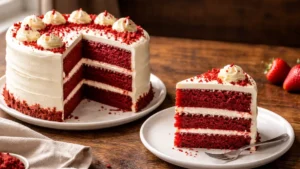
In the southern United States, caramel, pecan, and red velvet remain popular. In coastal cities, lighter flavors like citrus, berry, or coconut are common. In multicultural cities, fusion flavors such as matcha vanilla or chai spice are increasingly requested.
Matching flavor to region makes the celebration feel locally rooted and thoughtful.
Incorporate Meaningful Design Elements
Color Psychology and Symbolism
Colors carry emotional weight. Gold and white are often chosen for 50th anniversaries because gold symbolizes longevity. Silver is common for 25th anniversaries. Pastels are popular for baby showers. Bold black and gold often appear at milestone 40th or 50th birthday parties.
Choose colors intentionally. Ask what feeling you want guests to experience when they see the cake: elegance, fun, nostalgia, or bold confidence.
Edible Customization Techniques in 2026
Modern cake decorating techniques offer more personalization than ever:
Edible photo printing allows high-resolution images printed on sugar sheets.
Hand-painted buttercream designs create artistic, one-of-a-kind visuals.
Textured frosting techniques such as palette knife florals add dimension.
3D fondant sculpting can recreate objects like graduation caps or hobby items.
Laser-cut acrylic cake toppers customized with names and dates remain popular across U.S. celebrations.
These tools allow precision without sacrificing flavor or quality.
Align With Dietary Needs and Inclusivity
Address Common U.S. Dietary Trends
Personalizing a cake in 2026 also means being mindful of health and dietary preferences. Many U.S. celebrations now include guests who are gluten-sensitive, dairy-free, vegan, or managing diabetes.
Options to consider:
Gluten-free flour blends that maintain moisture and structure.
Plant-based butter alternatives for dairy-free frosting.
Reduced-sugar recipes using natural sweeteners in moderation.
Nut-free production for allergy-safe environments.
Including a small label near the cake explaining dietary accommodations builds trust and shows thoughtfulness.
Offer Tiered or Dual-Flavored Cakes
For larger gatherings, consider splitting tiers or layers into different flavors. This ensures broader appeal while maintaining a unified visual design.
For example, the top tier might be lemon, while the bottom tier is chocolate. Guests appreciate variety, especially at weddings and milestone birthdays.
Personal Messages That Feel Authentic
Avoid Generic Phrases
Instead of writing “Happy Birthday John,” consider a more personalized message such as:
“Cheers to 40 Years of Leadership and Laughter.”
“From Rookie to Retiree — 30 Years of Service.”
“50 Years of Love, Partnership, and Adventure.”
Specific wording transforms the cake into a tribute.
Keep Text Legible and Balanced
When customizing messages, work with your baker to ensure text size and placement enhance the design rather than crowd it. In 2026, minimalist typography with clean spacing is trending across American celebrations.
Work Effectively With a Professional Baker
Plan at Least Three to Four Weeks Ahead
Many U.S. bakeries, especially small artisan shops, book quickly during peak seasons such as graduation months in May and June, wedding season in summer, and holiday periods.
Early planning allows time for consultations, tasting sessions, and design revisions.
Bring Visual References
While originality matters, bringing inspiration images can help clarify expectations. Describe what you like about each reference rather than asking for a direct copy.
Professional bakers appreciate clients who communicate clearly about budget, guest count, and event setting.
Be Transparent About Budget
Personalized cakes can range widely in price depending on size, complexity, and ingredients. In 2026, custom celebration cakes in major U.S. cities often range from moderate to premium pricing, especially for handcrafted details.
Be upfront about your spending range. A skilled baker can recommend design adjustments to stay within budget while preserving impact.
DIY Personalization for Smaller Celebrations
Not every milestone requires a bakery-level production. For intimate family gatherings, simple DIY personalization can be meaningful.
Use high-quality cake toppers ordered from U.S.-based small businesses.
Add fresh flowers that match party décor, ensuring they are food-safe.
Pipe a handwritten message with a steady hand and simple buttercream tip.
Create a themed cake board with printed memories placed around the base.
DIY personalization works best when focused on authenticity rather than perfection.
Avoid Common Personalization Mistakes
Overcrowding the design with too many themes can make the cake visually confusing. Choose one primary concept and one supporting detail.
Ignoring venue conditions can cause structural problems. Outdoor summer celebrations in states like Florida or Arizona require stable frosting and temperature-resistant design choices.
Last-minute changes can disrupt execution. Finalize design elements at least one week before the event.
Forgetting transportation planning can lead to damage. Keep the cake level in a cool vehicle and avoid sudden stops.
Being mindful of these details ensures the personalization enhances the celebration rather than causing stress.
Capture the Moment
In 2026, cakes often serve as photo backdrops. Coordinate cake placement with lighting and décor. Position it where guests naturally gather. Good lighting enhances intricate design details.
Consider scheduling a short moment during the event where the story behind the cake is shared. This reinforces emotional impact and makes the personalization meaningful rather than purely aesthetic.
Make the Cake Part of the Experience
A milestone cake should not just be seen; it should be experienced.
Pair the cake with a short speech highlighting the symbolism behind the design. Invite guests to guess hidden design references. Offer small printed cards explaining flavor inspiration.
When guests understand the intention behind the cake, it becomes a conversation piece.
Key Takeaways and Next Steps
Personalizing a cake for milestone celebrations in 2026 means going beyond decoration. It requires understanding the person’s story, choosing flavors intentionally, incorporating meaningful design elements, respecting dietary needs, and planning thoughtfully with professionals.
For U.S.-based readers, the process begins with reflection. Identify what the milestone truly represents. Translate that meaning into flavor, color, and message. Collaborate early with a trusted local baker or plan a simple DIY version if the gathering is intimate. Stay mindful of inclusivity and venue logistics. Keep design focused and authentic rather than overloaded.
Your next step is simple. Write down three defining traits or achievements of the person being celebrated. Choose one flavor they genuinely love. Select one symbolic design element. When those three pieces align, you will create a cake that feels deeply personal and unforgettable.
FAQs
What is the best way to start personalizing a milestone cake?
Start by defining the story behind the milestone, then match flavors, colors, and design elements to reflect that personal journey clearly.
How far in advance should I order a custom cake in the U.S.?
Order at least three to four weeks ahead, especially during peak seasons like graduations and summer weddings.
Can personalized cakes accommodate dietary restrictions?
Yes, most U.S. bakeries offer gluten-free, dairy-free, vegan, and reduced-sugar options with advance notice.
How do I keep a personalized cake safe during transport?
Transport it on a flat surface in a cool car, avoid sudden stops, and keep it refrigerated until serving time.