
Birthday cakes are one of the most loved traditions across the world. From small family celebrations to grand parties, cutting a cake has become a special way to mark someone’s birthday. But have you ever wondered where this tradition started and how it became popular globally? The history of birthday cakes is rich and fascinating, with roots going back thousands of years.
Different cultures have added their own styles, flavors, and meanings to birthday cakes. Over time, these sweet treats evolved from simple bread-like offerings to beautifully decorated desserts we see today. Understanding the history of birthday cakes helps us appreciate how traditions travel across countries and generations. In this article, we will explore the origin, evolution, and cultural importance of birthday cakes around the world in a simple and engaging way.
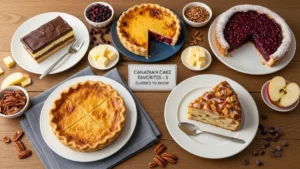
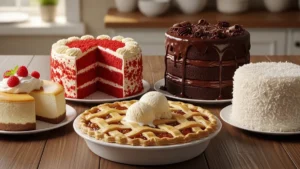
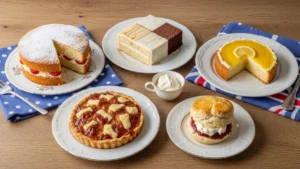
What is the History of Birthday Cakes Around the World
The history of birthday cakes around the world refers to how the tradition of celebrating birthdays with cakes began and spread across different cultures.
The earliest form of birthday cakes dates back to ancient civilizations. In ancient Greece, people baked round cakes to honor the moon goddess Artemis. These cakes were often decorated with candles to represent the glowing moon.
In ancient Rome, people celebrated birthdays with simple cakes made from flour, nuts, yeast, and honey. These early cakes were more like sweet bread than the fluffy cakes we eat today.
During the Middle Ages in Europe, birthday celebrations were mainly for kings and wealthy people. Cakes were rare because sugar and ingredients were expensive.
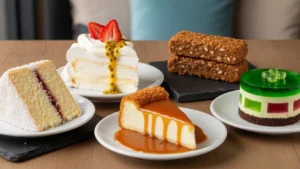
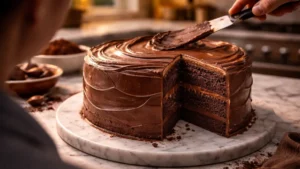
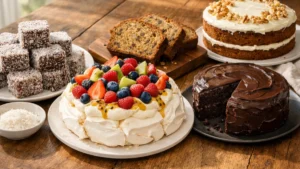
It was only in the 18th century, especially in Germany, that birthday cakes became more popular among common people. The German tradition called “Kinderfest” involved celebrating children’s birthdays with cakes and candles.
Key Features or Benefits of Birthday Cakes
Birthday cakes are not just desserts. They have emotional and cultural importance in many societies.
1. Symbol of Celebration
A birthday cake represents joy, happiness, and celebration. It is often the centerpiece of a birthday party.
2. Personal Expression
Modern cakes can be customized with names, themes, and designs that reflect a person’s personality.
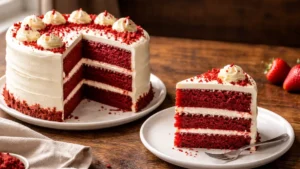
3. Cultural Tradition
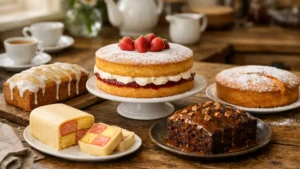
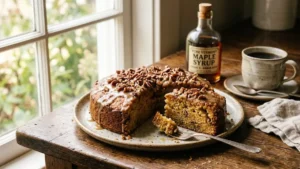
Different countries have unique ways of making and presenting birthday cakes.
4. Bringing People Together
Cutting a cake is often a shared moment with family and friends, strengthening relationships.
5. Memory Creation
Birthday cakes help create lasting memories through photos, celebrations, and traditions.
Evolution of Birthday Cakes Through History
Ancient Times
In ancient Greece, cakes were round and made with honey. Candles were added as a tribute to gods.
In Rome, cakes were simple and used mainly for important birthdays, especially for men.
Middle Ages
Cakes became more developed in Europe, but they were still expensive and limited to the rich.
Ingredients like sugar and spices were rare, so cakes were not common for everyday people.
18th and 19th Century
Germany played a major role in shaping modern birthday cake traditions.
Kinderfest introduced:
- Cakes specifically for birthdays
- Candles equal to the child’s age
- Celebration with family
During the Industrial Revolution, ingredients became cheaper and more available. This made cakes affordable for more people.
Modern Era
Today, birthday cakes are available in many forms:
- Chocolate cakes
- Fruit cakes
- Ice cream cakes
- Designer cakes
Modern baking technology and creativity have made cakes more attractive and accessible worldwide.
Important Facts About Birthday Cakes
Here are some interesting facts related to the history of birthday cakes around the world:
- The tradition of blowing out candles is believed to have started in Germany.
- In the past, cakes were considered luxury items.
- The idea of making a wish before blowing candles is a popular global tradition.
- Different cultures have their own unique birthday desserts, not just cakes.
- The global cake industry is now a multi-billion-dollar market.
These facts show how birthday cakes have evolved from simple offerings to an important part of global culture.
Birthday Cake Traditions in Different Countries
Germany
Germany is known for starting the Kinderfest tradition. Children celebrate with cakes and candles, and the number of candles represents their age.
United States
In the United States, birthday cakes are often colorful and themed. Singing “Happy Birthday” and blowing out candles are common traditions.
United Kingdom
Fruitcakes are traditional birthday cakes in the UK, especially for special occasions.
India
In India, birthday cakes have become very popular in recent decades. Cakes are often eggless and come in many flavors to suit different preferences.
China
In China, people often celebrate birthdays with longevity noodles instead of cakes, but modern cake culture is also growing.
Mexico
In Mexico, birthday celebrations include cakes along with the tradition of breaking a piñata.
How Birthday Cakes Became Popular Worldwide
The spread of birthday cake traditions happened due to globalization, trade, and cultural exchange.
Here’s how it worked:
- European traditions spread to other parts of the world through colonization and migration.
- Industrialization made baking ingredients cheaper and widely available.
- Bakeries and food industries promoted cakes as celebration items.
- Social media and modern culture increased the popularity of decorated cakes.
Today, birthday cakes are a universal symbol of celebration, regardless of culture or country.
Tips or Expert Advice for Choosing Birthday Cakes
If you want to choose the perfect birthday cake, here are some useful tips:
1. Know the Preference
Choose flavors based on the person’s likes, such as chocolate, vanilla, or fruit.
2. Consider Dietary Needs
Look for options like eggless, gluten-free, or vegan cakes if required.
3. Select the Right Size
Pick a cake size that matches the number of guests.
4. Focus on Design
Customized cakes can make the celebration more special.
5. Order in Advance
Always order cakes early to avoid last-minute issues.
Common Mistakes to Avoid
While selecting or preparing birthday cakes, people often make some common mistakes.
Ignoring Storage Conditions
Cakes can spoil if not stored properly, especially in warm climates.
Choosing the Wrong Size
Too small or too large cakes can affect the celebration.
Overcomplicated Designs
Sometimes simple designs are more elegant and practical.
Not Checking Ingredients
Always check ingredients to avoid allergies or dietary problems.
Last-Minute Orders
This can limit your choices and affect quality.
Future Trends in Birthday Cakes
The future of birthday cakes is becoming more creative and technology-driven.
Customized Cakes
Personalized cakes with unique themes are becoming more popular.
Healthy Cakes
People are choosing low-sugar, organic, and vegan cakes.
3D and Designer Cakes
Advanced baking techniques allow for highly detailed cake designs.
Online Cake Delivery
Ordering cakes online with home delivery is growing rapidly.
Sustainable Baking
Eco-friendly packaging and ingredients are becoming a trend.
These trends show how the birthday cake tradition continues to evolve with changing lifestyles.
Conclusion
The history of birthday cakes around the world is a fascinating journey that reflects cultural traditions, technological progress, and human creativity. From ancient Greek offerings to modern designer cakes, birthday cakes have transformed into a global symbol of celebration and happiness.
Over time, different countries have added their unique touch to this tradition, making birthday cakes more diverse and meaningful. Whether it’s a simple homemade cake or a luxurious designer creation, the purpose remains the same—to celebrate life and create joyful memories with loved ones.
As the world continues to change, birthday cakes will keep evolving with new flavors, designs, and healthier options. However, their emotional value and cultural importance will always remain strong. Understanding their history helps us appreciate not just the cake itself, but the traditions and connections it represents.