In 2026, Americans are reading food labels more carefully than ever. Rising rates of diabetes, gluten sensitivity diagnoses, plant-based eating trends, and ingredient transparency movements have completely changed how we think about dessert. Cake is no longer just a sugary indulgence reserved for birthdays. Today, it’s about balance, smarter ingredients, and enjoying celebration foods without sacrificing long-term health.
For U.S.-based readers, this guide delivers practical, science-backed strategies to bake or buy healthier cakes that align with modern nutrition standards. You’ll learn how low-sugar baking actually works, how vegan cakes maintain structure without eggs, and how gluten-free options can taste just as satisfying as traditional versions. Whether you’re baking at home in California, shopping at a Midwest grocery chain, or managing dietary needs in New York, this article gives you real-world guidance you can trust.
Why Healthy Cakes Matter in 2026
Americans consume significantly more added sugar than recommended by the U.S. Dietary Guidelines. Excess sugar intake is linked to obesity, heart disease, and insulin resistance. At the same time, gluten-free diets have expanded beyond those with celiac disease, and plant-based eating has entered the mainstream.
Healthy cakes matter because celebrations shouldn’t compromise well-being. Modern consumers want desserts that fit into balanced lifestyles. Parents want lower-sugar options for children. Adults managing blood sugar need safer indulgences. Athletes look for better macronutrient balance.
The shift is not about eliminating pleasure. It is about improving ingredient quality, controlling sugar load, and using nutrient-dense alternatives that deliver flavor without unnecessary health risks.
Understanding Low-Sugar Cakes
What “Low-Sugar” Really Means
A low-sugar cake does not mean sugar-free. It means significantly reduced added sugars compared to traditional recipes. Classic American cakes can contain over 40 grams of sugar per slice. A thoughtfully designed low-sugar cake can reduce that amount by half or more while maintaining sweetness and texture.
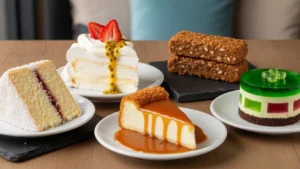
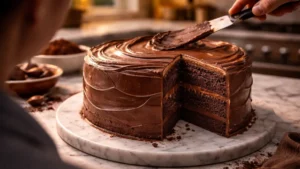
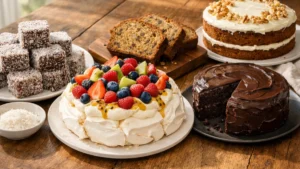
The key lies in balancing sweetness with structure. Sugar does more than sweeten. It retains moisture, contributes to browning, and stabilizes air bubbles. When reducing sugar, bakers must compensate for these functions.
Smart Sweetener Alternatives
Low-sugar cakes in 2026 often use natural alternatives such as monk fruit blends, allulose, stevia combinations, or small amounts of maple syrup paired with fruit purée. Allulose, increasingly popular in U.S. baking, behaves similarly to sugar during browning and caramelization. Monk fruit blends provide sweetness without raising blood glucose levels.
However, not all sweeteners behave the same way. Stevia alone can produce bitterness. Erythritol may create a cooling sensation. Experienced bakers combine sweeteners to improve taste and texture. This blending strategy delivers more natural sweetness while reducing aftertaste.
Using Fruit to Enhance Sweetness
Applesauce, mashed bananas, pumpkin purée, and date paste are commonly used in low-sugar cakes. These ingredients add moisture and fiber while naturally increasing sweetness. In practical terms, replacing part of the sugar with fruit purée can reduce glycemic load and improve nutrient density.
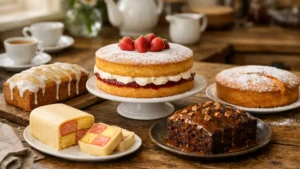
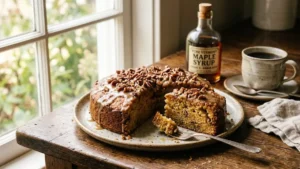
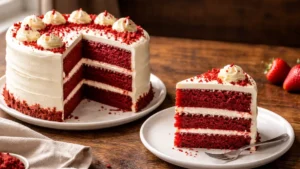
For example, a low-sugar carrot cake made with applesauce can maintain moisture without relying entirely on refined sugar. The result is a cake that tastes rich but is metabolically gentler.
Vegan Cakes: Structure Without Eggs or Dairy
The Science Behind Vegan Baking
Traditional cakes depend on eggs for structure and dairy for richness. In vegan baking, replacements must mimic these functions. Eggs provide protein structure and emulsification. Butter contributes fat, flavor, and tenderness.
Modern vegan baking techniques use flaxseed “eggs,” chia seeds, aquafaba, silken tofu, and commercial egg replacers. Each serves a specific purpose. Flaxseed eggs bind ingredients. Aquafaba, the liquid from canned chickpeas, whips into a foam that can create light sponge textures.
Understanding function is essential. Simply removing eggs without replacing their structural role results in dense, crumbly cakes. Expert vegan baking focuses on protein balance and moisture retention.
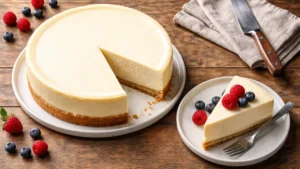
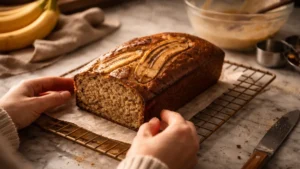
Plant-Based Fats and Dairy Alternatives
Coconut oil, avocado oil, and vegan butter substitutes are widely used in plant-based cakes. Oat milk and almond milk provide moisture. In the U.S., oat milk has become a preferred choice because of its neutral flavor and creamy texture.
When selecting plant-based fats, it’s important to consider melting point. Coconut oil solidifies in cooler temperatures, affecting crumb texture. Vegan butter blends often produce more consistent results for layered cakes and frostings.
Protein Boost in Vegan Cakes
In 2026, many American bakers incorporate plant-based protein powders into vegan cakes. Pea protein and brown rice protein can increase satiety and improve macronutrient balance. However, they must be used carefully to prevent dryness. Adding extra moisture through yogurt alternatives or fruit purée helps maintain tenderness.
Gluten-Free Cakes That Don’t Taste Dry
Why Gluten Matters
Gluten provides elasticity and structure. Without it, cakes can crumble or become dense. Gluten-free baking requires alternative flours and binding agents that replicate elasticity.
Common gluten-free flour blends in the U.S. combine rice flour, potato starch, and tapioca starch. Xanthan gum or psyllium husk helps mimic gluten’s binding properties.
Almond Flour and Oat Flour Benefits
Almond flour has become a staple in healthy cake baking. It provides healthy fats, protein, and moisture. Cakes made with almond flour tend to be tender and rich. However, almond flour is calorie-dense, so portion awareness still matters.
Certified gluten-free oat flour offers a mild flavor and improved fiber content. It works well in muffins and snack cakes. Many American households prefer oat-based recipes because oats feel familiar and accessible.
Avoiding Common Gluten-Free Mistakes
Overmixing gluten-free batter can lead to gummy textures. Proper hydration is essential, as gluten-free flours absorb moisture differently. Allowing batter to rest before baking improves consistency. Accurate measurement, especially by weight, is critical for reliable results.
Combining Low-Sugar, Vegan, and Gluten-Free
The real challenge lies in combining all three elements. It is possible, but requires careful formulation. For example, a low-sugar, vegan, gluten-free chocolate cake may rely on almond flour, oat flour, flaxseed eggs, monk fruit blend, cocoa powder, and avocado oil.
Balancing moisture, fat, and binding agents ensures the cake rises properly. In professional bakeries across the United States, chefs now test recipes extensively before launching them to meet consumer expectations for taste and texture.
Practical Buying Tips for U.S. Consumers
When purchasing healthy cakes at grocery stores or local bakeries, read ingredient lists carefully. Terms like “organic” or “natural” do not automatically mean low-sugar. Check grams of added sugar per serving. Review fiber and protein content.
Look for shorter ingredient lists with recognizable components. Be cautious of sugar alcohol-heavy products if you have digestive sensitivity. Evaluate serving size realistically rather than assuming one slice equals one serving.
Farmers’ markets and small local bakeries often provide transparent labeling and small-batch freshness. In many U.S. cities, health-focused bakeries now specialize in gluten-free and vegan options that meet modern standards without sacrificing taste.
Frosting and Toppings Matter Too
Healthy cake choices extend beyond the base. Frosting often contains more sugar than the cake itself. Greek yogurt-based frostings, coconut cream toppings, and lightly sweetened cream cheese alternatives can dramatically reduce overall sugar load.
Fresh berries, toasted nuts, and dark chocolate shavings provide texture and flavor without excessive sweetness. Portion control is also key. Even healthier cakes should be enjoyed mindfully.
Nutritional Balance and Portion Awareness
Healthy cakes are not diet foods. They are improved indulgences. Portion control remains essential. Pairing cake with protein-rich meals helps reduce blood sugar spikes. Eating cake after a balanced meal rather than on an empty stomach improves metabolic response.
For individuals managing diabetes or insulin resistance, consulting a healthcare provider before adopting alternative sweeteners is wise. Some sugar substitutes affect individuals differently.
Real-World Example: A Balanced Celebration Cake
Imagine hosting a birthday party in Texas or Illinois in 2026. Instead of a traditional high-sugar sheet cake, you serve a gluten-free almond flour cake sweetened with monk fruit blend and topped with Greek yogurt frosting and fresh strawberries. Guests enjoy flavor without a sugar crash. Parents appreciate the thoughtful ingredients. Children still feel celebrated.
This approach demonstrates that health-conscious baking does not eliminate joy. It modernizes it.
How to Start Baking Healthier Today
Begin by modifying one element at a time. Reduce sugar by 25 percent in a favorite recipe. Experiment with oat flour in place of some all-purpose flour. Replace one egg with flaxseed in a test batch.
Keep detailed notes. Healthy baking requires adjustment and patience. Over time, you will develop reliable formulas tailored to your taste preferences and dietary needs.
Key Takeaways and Next Steps
Healthy cake options in 2026 reflect a broader shift in American eating habits. Low-sugar recipes reduce excess added sugars. Vegan techniques provide plant-based structure without sacrificing texture. Gluten-free flours make desserts accessible to those with sensitivities. When combined thoughtfully, these approaches produce cakes that taste indulgent while aligning with modern health goals.
Start small. Learn ingredient functions. Read labels carefully. Choose quality over quantity. Experiment with trusted substitutions and measure accurately. By focusing on balance rather than restriction, you can enjoy cake in a way that supports long-term well-being. The goal is not perfection. It is smarter celebration.
FAQs
Are low-sugar cakes safe for diabetics?
Low-sugar cakes may help control glucose, but diabetics should monitor portions and consult a healthcare professional before using sugar substitutes.
Do vegan cakes taste different from regular cakes?
Well-formulated vegan cakes taste similar to traditional cakes, especially when moisture and fat levels are carefully balanced.
Is gluten-free cake healthier than regular cake?
Gluten-free cake helps those with celiac or sensitivity, but it is not automatically lower in calories or sugar.
Can I replace all sugar with monk fruit?
Replacing all sugar may affect texture; blending monk fruit with small natural sugars improves structure and taste.