In 2026, birthday celebrations look different than they did even five years ago. Families are blending in-person parties with livestreamed moments, guests have more dietary preferences than ever, and social media has raised expectations for presentation. The birthday cake is no longer just dessert—it’s the centerpiece of the celebration, the photo moment, and often the most talked-about detail of the day.
For U.S.-based readers planning a party this year, choosing the perfect birthday cake means balancing budget, guest count, flavor trends, dietary needs, and design aesthetics. This guide will walk you through exactly how to select the right cake size, choose flavors that guests will actually enjoy, and design something memorable without overspending or overcomplicating the process. You’ll gain practical strategies, real-world examples, and expert insights to help you confidently order or create a cake that truly fits your celebration.
Why Choosing the Right Birthday Cake Matters More in 2026
The modern birthday party often includes professional photography, themed décor, and curated menus. A poorly sized cake can leave guests without a slice—or create days of waste. An overly trendy flavor might look impressive online but go uneaten. A design that doesn’t match the party theme can feel disconnected in photos.
Additionally, U.S. consumers are more aware of food allergies, dietary preferences, and ingredient sourcing. Gluten-free, dairy-free, vegan, and reduced-sugar options are increasingly requested. According to industry bakery trends in recent years, specialty dietary cakes are no longer niche—they’re mainstream.
Choosing the right birthday cake today requires thoughtful planning. It’s not about picking the prettiest design in a catalog. It’s about understanding who the cake is for, who will eat it, and how it fits into the overall celebration experience.
Step One: Determining the Right Cake Size
Understanding Guest Count and Serving Sizes
The most common mistake people make is underestimating how much cake they need. In the U.S., a standard bakery serving is typically about 1 inch by 2 inches for party-style slices. Wedding-style slices are often smaller, around 1 inch by 1 inch, but birthday parties generally use larger portions.
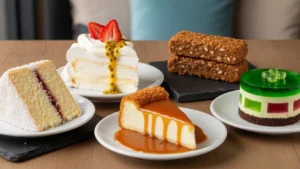
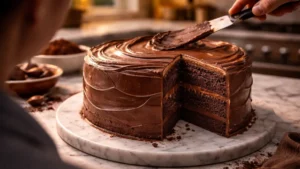
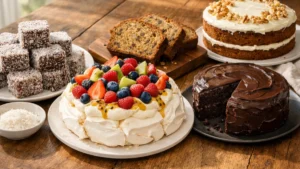
For a small gathering of 10 to 15 guests, a single 8-inch round cake is often enough, serving approximately 12 to 16 people depending on slice size. For 20 to 30 guests, a 9- or 10-inch round cake or a two-layer tiered cake may be more appropriate. For 40 or more guests, a tiered cake or sheet cake combination is usually the most practical solution.
Always consider whether guests are likely to want seconds. Children’s parties, for example, often result in smaller slices eaten, while adult celebrations with alcohol and dinner beforehand may require less cake per person.
Sheet Cake vs. Round vs. Tiered Cakes
Sheet cakes are one of the most cost-effective options for larger gatherings. They are easier to transport and cut, and they typically offer more servings for the price. Round cakes are more traditional and visually appealing for smaller events. Tiered cakes add height and elegance, making them ideal for milestone birthdays such as 30th, 40th, 50th, or 75th celebrations.
If aesthetics matter but you’re hosting a larger party, consider a small decorative tiered cake for photos and a separate sheet cake in the same flavor for serving. This approach keeps costs reasonable while preserving the visual impact.
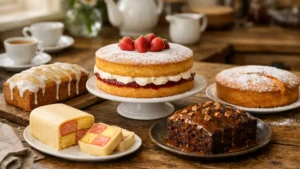
Accounting for Dietary Needs
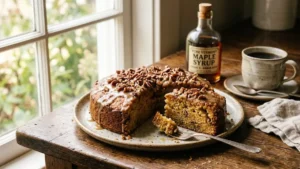
In 2026, it’s common to have at least one guest who needs a gluten-free or dairy-free option. Instead of making the entire cake specialty if only one or two guests require it, consider ordering a small secondary cake or cupcakes in the appropriate dietary format.
Communicate clearly with your bakery about cross-contamination if allergies are severe. A reputable U.S. bakery should be able to explain how they handle allergen separation in their kitchen.
Step Two: Choosing the Perfect Flavor
Classic Flavors That Always Work
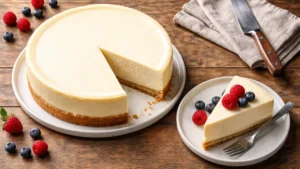
Some flavors remain popular for a reason. Vanilla, chocolate, marble, and funfetti are consistent crowd-pleasers across age groups. If your guest list includes both children and adults, these options are usually safe.
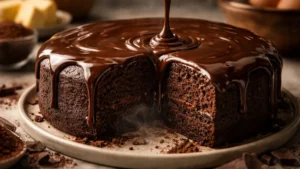
Chocolate with chocolate buttercream is rich and satisfying, while vanilla cake with fresh fruit filling feels lighter and more versatile. Marble cake offers the best of both worlds and appeals to guests who can’t decide between chocolate and vanilla.
Trending Flavors in 2026
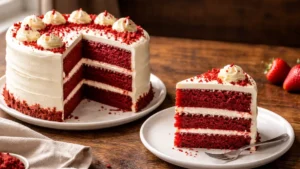
Flavor trends in the U.S. have shifted toward more refined profiles. Popular choices include lemon blueberry, cookies and cream, salted caramel, red velvet, and pistachio. Many bakeries are also experimenting with espresso-infused cakes, brown butter flavors, and subtle floral notes like lavender.
However, trends should not override guest preferences. A sophisticated pistachio cake may sound impressive but may not appeal to children or older guests who prefer familiar tastes.
When in doubt, think about the person whose birthday it is. If they love coffee, an espresso chocolate cake might be perfect. If they prefer fruity desserts, a strawberry shortcake-inspired cake may be a better fit.
Balancing Flavor and Filling
Flavor selection is not just about the cake base. Fillings and frostings significantly affect taste and texture. Buttercream is the most common frosting in the U.S., but cream cheese frosting, whipped frosting, and ganache are also popular.
Consider texture contrast. A chocolate cake with raspberry filling provides a balance of rich and tart. A vanilla cake with salted caramel filling offers sweet and savory notes. Avoid overly sweet combinations that can overwhelm guests.
Always ask for a tasting if your budget allows. Many bakeries offer tastings for larger orders or milestone events.
Step Three: Designing a Cake That Fits the Occasion
Matching the Theme
Design should reflect the personality of the birthday person and the overall party theme. For children’s parties, bright colors, cartoon-inspired designs, and character toppers remain popular. For adult celebrations, minimalist designs with textured buttercream, metallic accents, or floral decorations are trending.
In 2026, social media still plays a role in party planning, but subtle elegance is often more appreciated than over-the-top decorations. Clean lines, cohesive color palettes, and thoughtful details photograph beautifully without appearing excessive.
Choosing Between Fondant and Buttercream
Fondant creates smooth, sculpted designs and works well for elaborate themes. However, many people prefer the taste of buttercream. Buttercream cakes can still look polished, especially with modern smoothing techniques and textured finishes.
If flavor is your top priority, lean toward buttercream. If intricate shapes or sculpted decorations are important, fondant may be necessary.
Personalization and Customization
Personalized cake toppers with the birthday person’s name or age are popular and affordable. Edible photo prints are another option, especially for milestone birthdays or memory-themed celebrations.
Consider including elements that reflect hobbies or interests. A cake for a runner might feature subtle athletic motifs. A cake for a music lover might incorporate elegant musical notes. Personalization doesn’t need to be loud; it just needs to feel intentional.
Budget Planning Without Sacrificing Quality
Cake pricing in the U.S. varies by region, complexity, and bakery reputation. Custom cakes are often priced per serving. Intricate designs, specialty flavors, and premium ingredients increase costs.
Set a realistic budget early. For large gatherings, prioritize flavor and serving size over highly detailed decorations. For smaller gatherings, you may have more flexibility to invest in a visually striking design.
Always ask for a clear quote that includes delivery, setup, and any additional fees. Delivery is especially important for tiered cakes, as transportation can be challenging.
Timing and Ordering Strategy
For standard birthday cakes, ordering one to two weeks in advance is usually sufficient. For highly customized cakes or during peak seasons such as graduation months or holidays, three to four weeks is safer.
Confirm pickup or delivery time, storage instructions, and cutting guidance. Most buttercream cakes should be refrigerated but brought to room temperature before serving for optimal flavor and texture.
If hosting outdoors in summer, discuss heat-resistant frosting options with your baker. Buttercream can melt quickly in high temperatures.
Common Mistakes to Avoid
One frequent mistake is choosing style over taste. Guests remember how the cake tasted long after photos are posted. Another mistake is ignoring portion planning, which can lead to running out of cake or wasting large amounts.
Overcomplicating flavors is also common. Combining too many bold elements can result in a confusing taste profile. Simplicity often delivers better results.
Finally, failing to communicate clearly with your baker can cause misunderstandings. Provide inspiration photos but also describe what you like about them. Clarity ensures expectations are aligned.
Key Takeaways and Next Steps
Choosing the perfect birthday cake in 2026 requires thoughtful planning, not guesswork. Start by calculating accurate serving sizes based on your guest list. Select flavors that match the preferences of the birthday person while remaining appealing to guests. Design the cake to complement the event theme without sacrificing taste. Set a realistic budget and communicate clearly with your bakery about timing, dietary needs, and delivery logistics.
Before placing your order, review these practical next steps. Confirm guest count. Identify any dietary restrictions. Decide on one primary flavor and one complementary filling. Choose a design direction that reflects the celebration’s tone. Place your order with enough lead time to avoid stress.
With careful planning, your birthday cake will not only look beautiful but also taste delicious and serve every guest comfortably. A well-chosen cake enhances the celebration, creates lasting memories, and ensures the birthday moment feels truly special.
FAQs
What size cake do I need for 25 guests?
For 25 guests, choose a 9- or 10-inch round cake or a small tiered cake that provides at least 25 party-sized servings to avoid shortages.
How far in advance should I order a custom cake?
Order at least two weeks ahead for standard designs and three to four weeks for detailed custom cakes or peak-season events.
Should I choose fondant or buttercream?
Choose buttercream for better taste and fondant if you need smooth, sculpted designs that require precise decorative detail.
How do I handle dietary restrictions at a party?
Ask guests about allergies early and consider a small gluten-free or dairy-free cake to accommodate specific needs safely.